Show day: load-in, check-in and load-out
Run the day from the night before to the last car out: load-in, check-in, the door, safety, a lost child, volunteers, cash and load-out.
Last checked October 27, 2026
This guide is for the day itself, from the night before to the last car out: load-in, check-in, the door, keeping everyone safe, volunteers and load-out. It comes from the rules 36 shows published for their own vendors for 2025 and 2026, and from fire marshals, emergency managers, cities and universities, quoted below. Where something comes only from experience, it says common practice.
In short: write the day down hour by hour, and give every job a name. Let vendors in early, unload before they set up, and check them in at the door. Walk the room and brief your volunteers before the doors open. Know who calls 911 and where everyone meets. Keep two people on the cash, and don't let a car in until the vendor is packed.
1. The week before
- Write the run of show: the day hour by hour, with who does what. The printable has a page for it.
- Example: a one-day show, doors open 9 to 3:
- Friday, 5 to 8 p.m.: early setup for those who want it.
- Saturday, 6:00: volunteers arrive, a 10-minute briefing.
- 6:00 to 8:30: load-in and check-in at the front door.
- 8:30: walk the room. 8:45: two people count the cash box.
- 9:00: doors open, and swag bags for the first shoppers.
- Each hour from :20 to :40: count shoppers.
- 3:00: close. 3:00 to 5:00: load-out.
- 5:00: walk the room, with the venue's manager if they want.
- Print the papers: the map with every vendor's name, the vendor list with phone numbers, and the check-in sheet. Saint Paul, Minnesota requires events to post a site map showing the emergency exits, the lost children meeting point and the first aid area, a good habit anywhere.
- Pack the supply box. At our own shows: markers, tape, scissors, glue, signs, sticky notes, and spare tables and chairs. Add a first aid kit, a counter (clicker) for shoppers, the cash box with change, trash bags, zip ties, a flashlight and a phone charger (common practice).
- Ask the venue: who unlocks the doors and when, where the breaker panel and the fire extinguishers are, whether it has an AED (a defibrillator) and where, and who to call if something breaks.
- Send vendors the show-week email, with their booth, their load-in time and your phone number. How to host your first vendor show has what to put in it.
On My Vendor Show: the print packet on Booth assignments has the map with every vendor's name, the vendor list with phones, and the check-in sheet with each booth and anything still owed. Each vendor's page shows their booth, with directions from the door, and your show-week details.
Sign up free2. Load-in
- When vendors arrive. At our own shows, vendors come 2 to 4 hours before the doors open, first come, first served. Published shows mostly open load-in 1½ to 3 hours before, most often 2: the Abington Art Center in Pennsylvania from 7:45 to 10:45 for an 11 o'clock opening. Only a few give each vendor a time, like the Neshoba County Fair in Mississippi.
- Setup the night before suits bigger shows. At our own shows, we sometimes open the night before, or one or two days ahead. More than half the shows we read offer it; Marmion Academy in Illinois charges $25 for its Friday evening setup. Say whether you'll lock the room overnight: some shows say they can't guarantee goods left there.
- Unload, then move the car, then set up. "You must completely unload your vehicle and remove it from the loading area BEFORE you start setting up your booth" (the Kentucky Crafted Market). Port Townsend's market gives vendors 20 minutes to unload.
- Carts: most shows don't provide them ("AAC DOES NOT SUPPLY CARTS OR HANDTRUCKS," says Abington), so tell vendors to bring their own. Volunteers or students to help unload are a kind touch: Edmonds-Woodway High School's music boosters offer "Volunteer help... to assist you with unloading."
- Set a time when every vehicle is out. The Greater Lake Placid Chamber in Florida wants "ALL VEHICLES" off the grounds 30 minutes before opening; after that, everything comes in "by hand cart."
3. Check-in
- Check vendors in before they unload, at a table by the front door. At our own shows, that's where it all happens: badges, a packet, anything still owed and insurance.
- Have ready: the check-in sheet with each vendor's booth and anything owed, name badges or wristbands, a short packet (the map, the restrooms, Wi-Fi if there is any, and your phone number), and the insurance certificates you've collected. The Kentucky Crafted Market's desk hands out "Name badges" and a "Parking pass" and signs vendors up for booth sitters.
- Most shows collect fees and certificates ahead of time, so check-in stays quick; a balance paid at the door is the exception.
- Hold to your cutoff. At our own shows, it's an hour before the doors open, the same as Fairfax, Virginia's holiday market: "present one hour prior... or the vendor chairperson has the right to re-assign your space." Have the waitlist's phone numbers at the table. Vendor rules, refunds and bad weather covers no-shows.
On My Vendor Show: when a vendor pays a balance at the door, mark it paid on the Payments tab, and their vendor page and your totals update.
Sign up freeFrom real vendor shows
4. Before the doors open
- Walk the whole room after setup. The International Association of Fire Chiefs' checklist: "Re-inspect after setup to confirm the field layout matches the approved plan," with nothing blocking "exits, fire lanes, hydrants," and no "overloaded outlets, damaged cords, daisy chains." Frederick County, Maryland's fire marshal: "All exits, aisles and corridors shall be kept clear at all times," and extension cords may not be "spliced together" or chained. Some fire marshals inspect booths themselves before opening; ask yours.
- Brief your volunteers for five or ten minutes (and vendors too, if you can): the exits, where everyone meets outside, who calls 911, what to do for a lost child, and who each volunteer's go-to person is. New York's emergency planners call it "Just-In-Time training for all volunteers, staff and vendors."
- Count the cash box with two people. George Mason University's rule: "30 minutes prior to the start of the event... each count the starting cash... and sign it."
- Last looks: restrooms stocked, signs out, swag bags ready, the counter at the door.
5. At the door
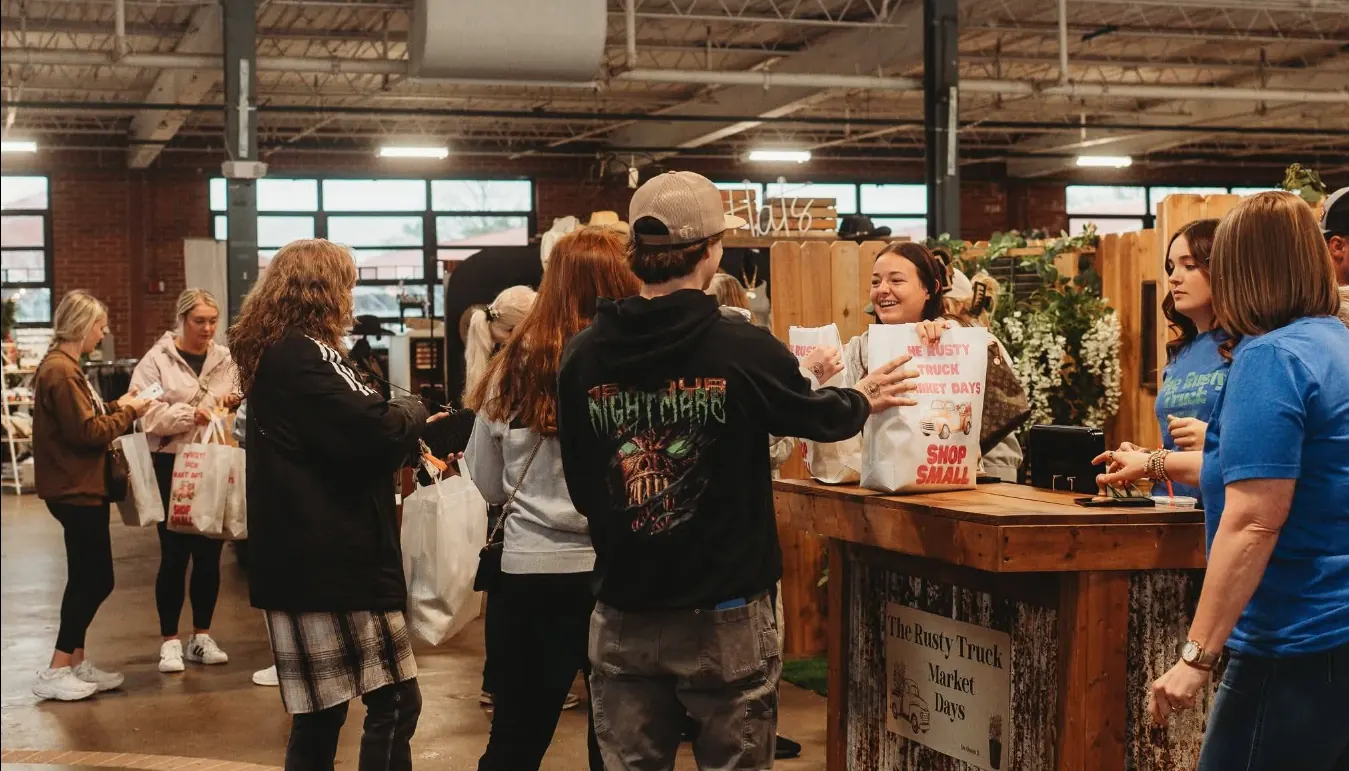
- At our own shows, volunteers take the entry fee at each door, in cash, stamp shoppers' hands, and watch for stamped hands coming back in. People trying to sneak in without paying is the most common problem we have, so keep someone at every open door. The host hands out the swag bags and thanks shoppers personally.
- Hand stamps for coming back in: Christmas Made in the South in Jacksonville sells "One admission good for all 3 days with hand stamp!"
- Two people on the cash, always.
- "A minimum of two individuals observing cash" (UC Berkeley's events rule), and "The cash box should never be left unattended" (Cal Poly Humboldt).
- "Do not count cash in the presence of customers" (Utah State University).
- Use numbered tickets, or keep a tally, so the money can be checked.
- At close, take out the change you started with: what's left should match the tickets or tally.
- Two people count it and sign, and it goes to the bank promptly. When the New York State Comptroller audited a volunteer fire department, its fundraiser money had been deposited "between 26 and 59 days after."
6. During the show
- Count shoppers. Oregon State University Extension's method: a counter at every entrance, count adults coming in for 20 minutes each hour (from :20 to :40), not people coming back in, multiply by 3, and add up the hours.
- Keep the aisles clear. Boxes, chairs and racks creep out. Fairfax's rule: "Designated aisles must remain clear at all times, due to local Fire Marshall Regulations."
- Give vendors who work alone a break. Bigger shows have booth sitters: Christmas Made in the South's hostesses relieve vendors who are alone, for up to 10 minutes. A volunteer who walks the room can do it at a small show.
- Visit every vendor at least once, and post photos while the show is on.
- Wi-Fi: few shows supply it. Tell vendors to be ready without it: "come prepared to do business without Internet access or cell service" (Vintage Market Days).
- When two vendors don't get along. At our own shows, problems are rare. When one comes up, we meet with both, ask them to be adults and agree to disagree, or whatever gets them through the show, and write it in our notes afterwards. Many shows' rules say the manager decides on the day: "The market managers have the final authority, on-site, to interpret and enforce rules" (Grapevine, Texas).
- Weather: see Vendor rules, refunds and bad weather.
7. When something goes wrong
Check with your fire marshal and your city's special events office for what applies to your show. Rules differ by place and by the size of the crowd.
- Emergencies: name one person who calls 911 and knows the address, and a backup way to reach your team (texts, radios, a runner). Know the exits and an outdoor meeting point. New York's sample announcement: "FIND the nearest exit and LEAVE the building now... ASSEMBLE in the parking area."
- First aid: for small events, cities ask for a stocked first aid kit, a plan for who calls 911, and someone trained in CPR. Brookhaven, Georgia asks events under 2,000 people for "First Aid Kit and a 911 call plan," and San Diego for "an event representative to call 9-1-1 and a representative on-site with CPR training certification." Bigger crowds need EMTs. Know where the venue's AED is: Boise wants one close enough for "the first shock... within 5 minutes."
- A lost child, following the federal Code Adam steps:
- Get a full description: name, age, hair, height, clothing, and shoes ("shoes are not usually changed by an abductor").
- Tell your team at once, by phone, radio or the loudspeaker.
- Put a volunteer at every exit to watch. Don't lock the doors: Kentucky's law says the search "shall not entail the closing or locking of any door."
- Bring the parent to your meeting spot, and search: restrooms, behind booths, under tables, the parking lot.
- Call 911 if the child isn't found in 10 minutes, as Kentucky's law says, or at once: South Jordan, Utah says to call "If the child is missing for any amount of time."
- If the child is with someone other than their parent, delay them politely until police arrive.
- Write down what happened. The National Center for Missing & Exploited Children sends a free Code Adam kit on request.
- Lost and found: keep a box at the check-in table.
8. Load-out
- Not before close. Vendor rules, refunds and bad weather covers vendors who leave early.
- Pack first, then bring the car. At our own shows, load-out is pretty much a free-for-all, which works when the show is small and the lot is close. Bigger shows don't let a car in until the booth is packed: "break down and consolidate all equipment/supplies at loading area BEFORE bringing vehicles back" (Abington), with the area "clear of all children before vehicles are pulled to booth areas" (Vintage Market Days).
- Give vendors a time to be out: two to three hours is most common in the shows we read.
- Check every space. At our own shows, we check every area once everyone's gone, which takes us 30 to 45 minutes, and note any mess left behind for next year. Some shows charge for it: Grapevine, Texas charges $50 if its manager has to clean a space, and Bristol Mountain in New York holds a $100 deposit, returned to vendors who stay to the end and leave the space tidy.
- Then: walk the room with the venue, gather the lost and found, take the signs down, and count the cash with two people. After the show has what comes next.
From real vendor shows

9. Volunteers
- At our own shows, how many depends on the show's size. They take the entry fee at each door, watch for stamped hands coming back in, and help wherever they're needed. We find them among family, church and school groups, and thank them with a swag bag or a gift card.
- Give each one a short, specific job. Michigan Main Street's advice: "Recruit volunteers to short-term project teams or individual tasks rather than long-term committee commitments." Shifts of 2 to 4 hours are common practice; Fairfax, Virginia's event shifts are "typically two or more hours," with jobs like "Vendor check in" and "Information booth/gate worker."
- Brief them, and write their duties down. Give each one a go-to person and something to wear so shoppers can spot them: a shirt, a vest or a badge (common practice).
- Water, snacks and breaks, and thanks afterwards: Michigan Main Street suggests thank-you notes and snacks.
- Cash: a volunteer can be the second person at the cash box, but not the only one. Cal Poly Humboldt lets volunteers "act as a second person."
Mistakes to avoid
- No plan for who calls 911, or where everyone meets.
- Locking the doors to find a lost child. Watch the exits instead.
- One person alone with the cash box, or counting cash in front of shoppers.
- Cars coming in while vendors are still packing and children are about.
- Chained power strips, and cords across an aisle.
- Leaving before you've walked the room.
Free printable: run of show and show-day checklist
Write the day hour by hour with who does what, then tick off each part as it's done. We'll email you the link, to print or save as a PDF.
Where these numbers come from
Numbers marked as common practice come from many shows' published rules and prices, not from one source. The rest come from these pages:
- Abington Art Center, Pennsylvania: craft fair vendor guidelines (2026)
- Olivenhain Town Council, California: craft fair rules (2026)
- Christmas Made in the South: Savannah setup letter (2026)
- Marmion Academy, Illinois: Christmas craft show (2026)
- Greek Orthodox Church of the Holy Spirit, New York: Christmas bazaar (2025)
- Kentucky Arts Council: Kentucky Crafted Market exhibitor manual (2026)
- Port Townsend Handmade Market, Washington: load-in instructions (2026)
- Neshoba County Fair, Mississippi: arts and crafts market (2025)
- Edmonds-Woodway High School Music Boosters, Washington: craft fair agreement (2025)
- Greater Lake Placid Chamber, Florida: country fair rules (2026)
- City of Fairfax, Virginia: holiday market application (2026)
- Visit Jacksonville: Christmas Made in the South (2026)
- Vintage Market Days: vendor contract, Collin County, Texas (2025)
- Grapevine Convention & Visitors Bureau, Texas: artisans market (2025)
- Bristol Mountain, New York: fall festival vendor information (2025)
- League of NH Craftsmen: fair booth contract (2025)
- University of Vermont Emergency Management: special event emergency plan (2026)
- New York State DHSES: mass gathering planning guide (2026)
- City of South Jordan, Utah: special event emergency action plan
- City of Saint Paul Police, Minnesota: event management intake
- International Association of Fire Chiefs: special events fire prevention checklist
- Frederick County Fire Marshal, Maryland: special events guide
- American Red Cross: anatomy of a first aid kit (via the Town of Boxborough, Massachusetts)
- City of Brookhaven, Georgia: special event permit application
- City of San Diego: special event medical plan
- City of Boise, Idaho: medical services at special events
- Code Adam Act of 2003 (40 U.S.C. 3101 note)
- Kentucky General Assembly: Code Adam in state buildings (2004)
- National Center for Missing & Exploited Children: Code Adam
- Oregon State University Extension: tools for rapid market assessments
- Cal Poly Humboldt: special event cash handling procedures
- UC Berkeley School of Law: cash handling protocols for events
- George Mason University: cash handling policy and procedure
- Utah State University Controller's Office: cash handling procedures
- New York State Comptroller: Meridale Fire Department audit (2019)
- Michigan Main Street: volunteer toolkit
- City of Fairfax, Virginia: volunteer with special events
Last checked October 27, 2026. This isn't legal or tax advice; rules differ by state and city.
From real vendor shows
Shoppers at a booth of wooden signs 
Shoppers browsing the booths 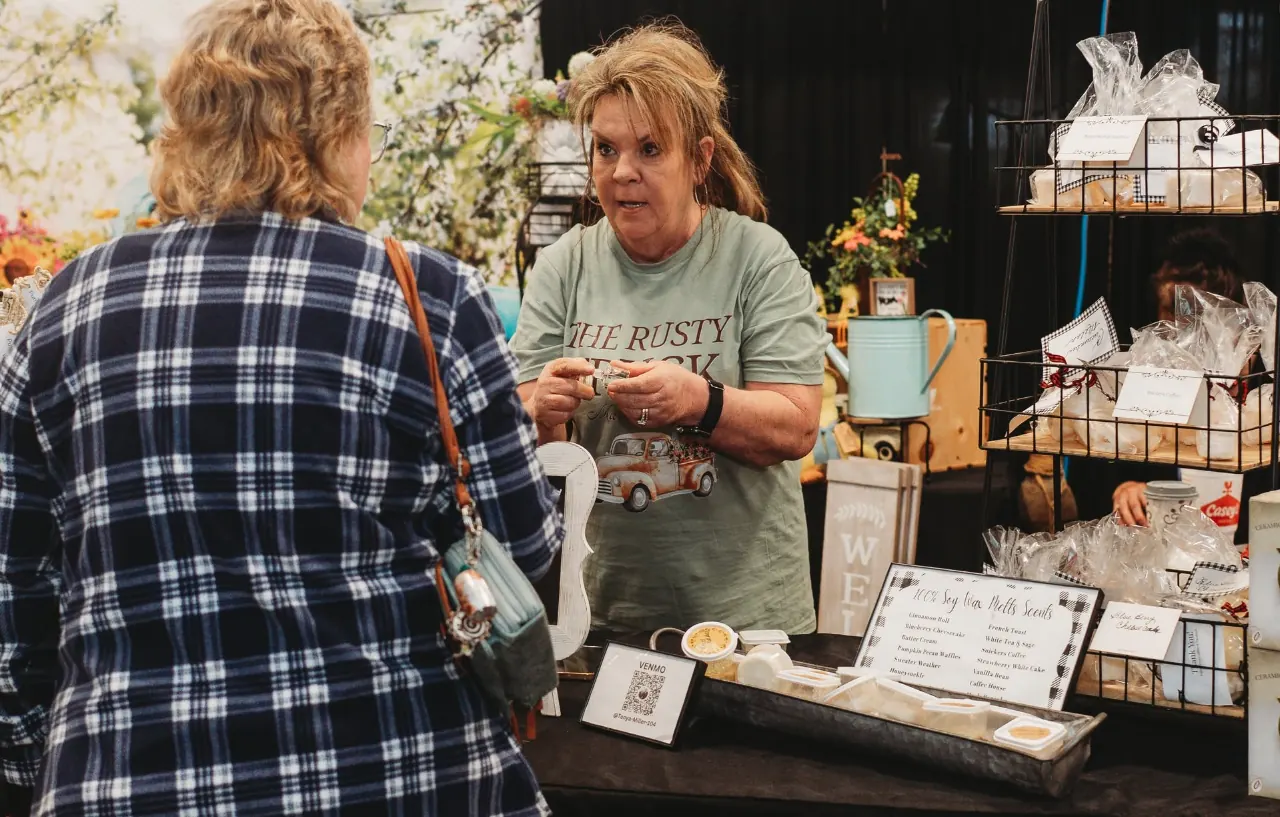
A vendor talking with a shopper 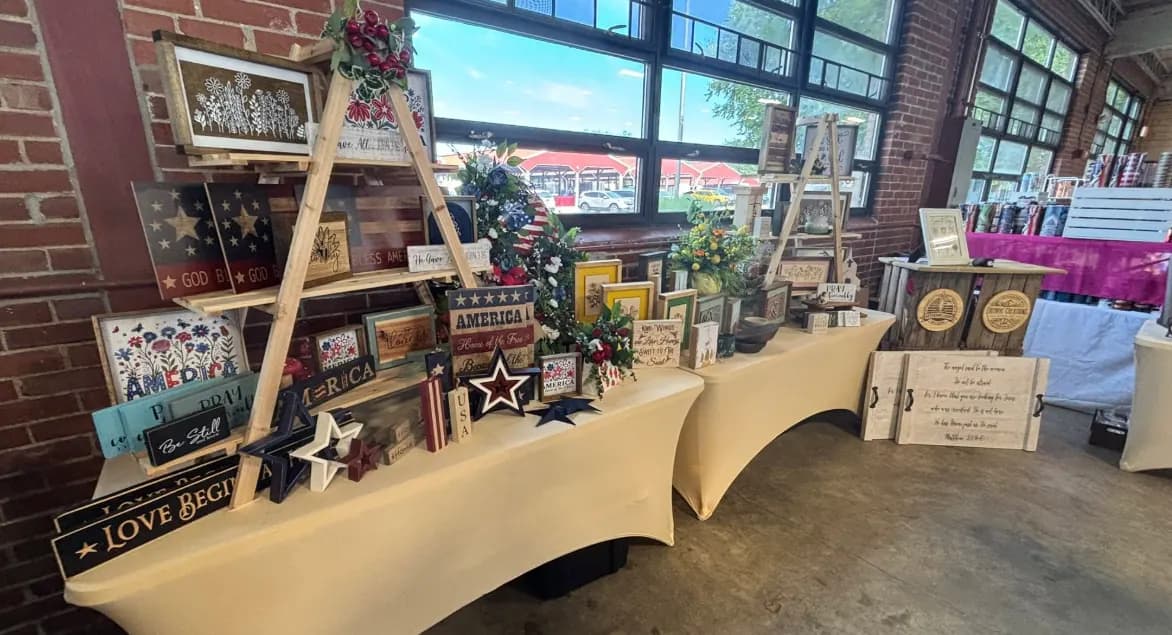
Signs and home decor 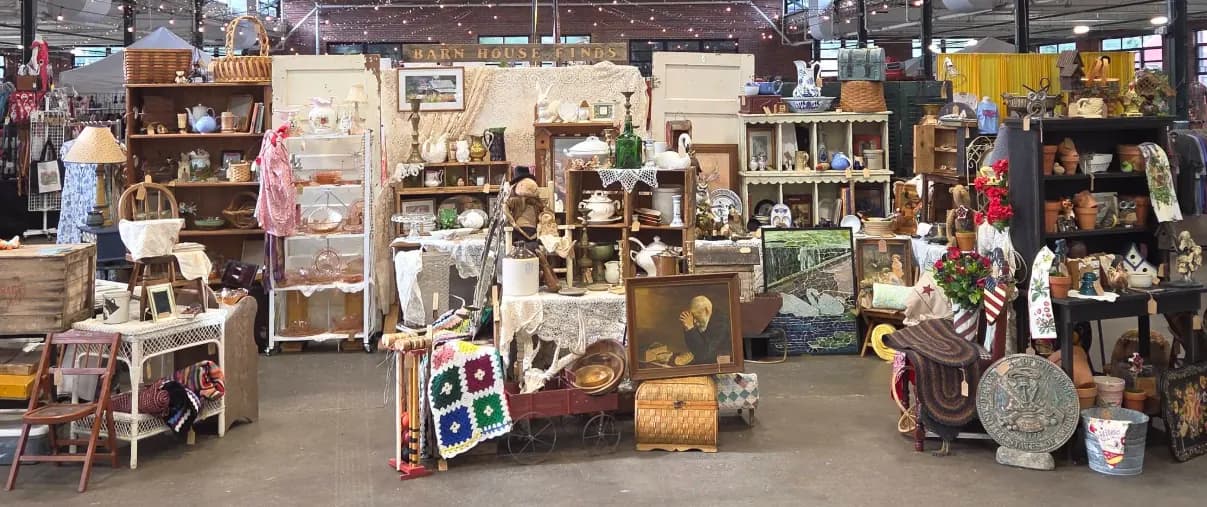
Vintage furniture and decor 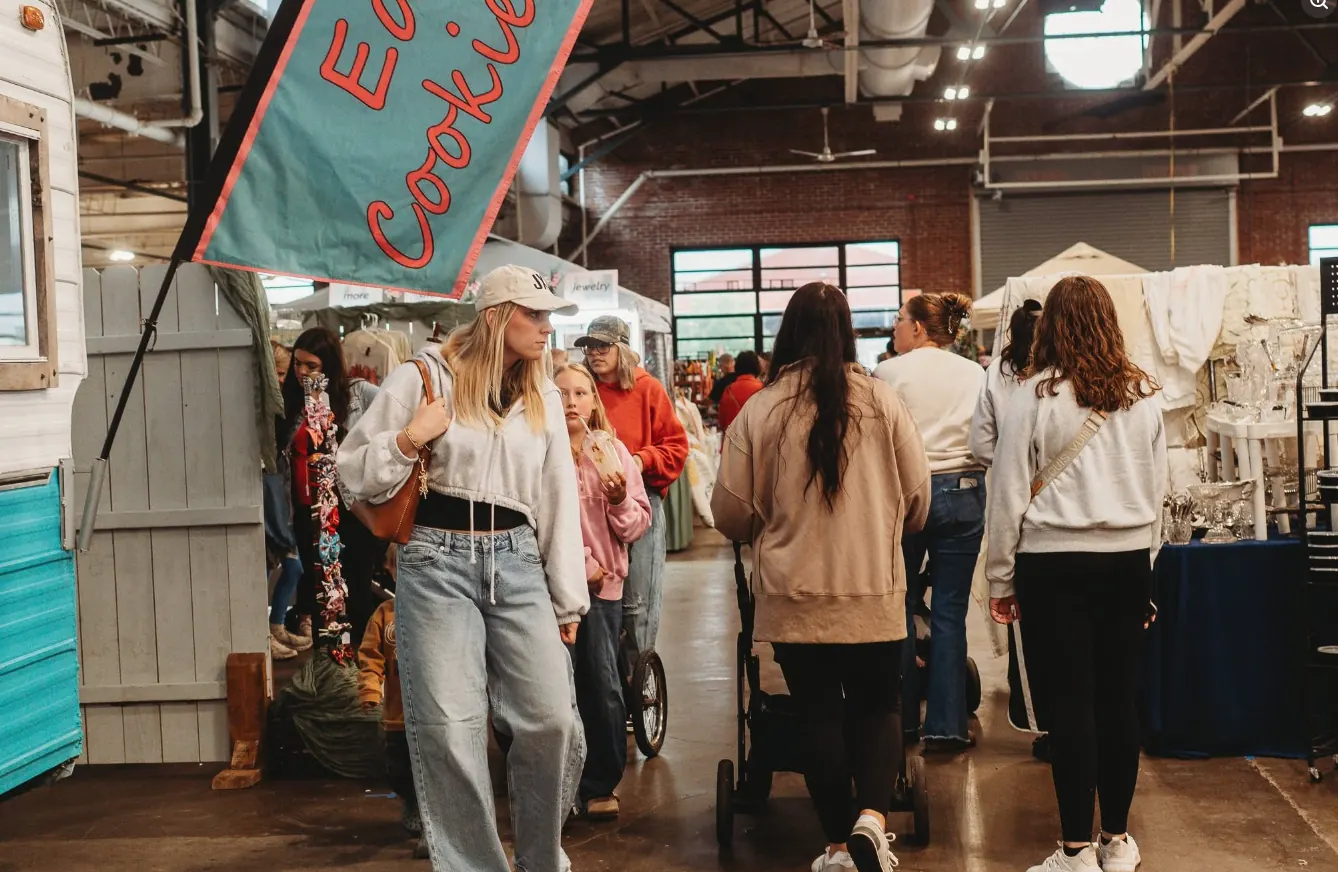
A busy aisle

Ready to host your show?
My Vendor Show takes your vendor applications, collects booth fees by card, and lays out your booth map, with every email to vendors written for you.
Free for hosts. Vendors who pay online pay a small booking fee: 3%, never more than $5 a booth, unless you choose to cover it. Square takes its usual card fee.
Sign up free