Vendor applications and choosing vendors
Decide what your show takes, ask the right questions and photos, choose by quality and fit, check vendors you don't know, and answer everyone.
Last checked October 27, 2026
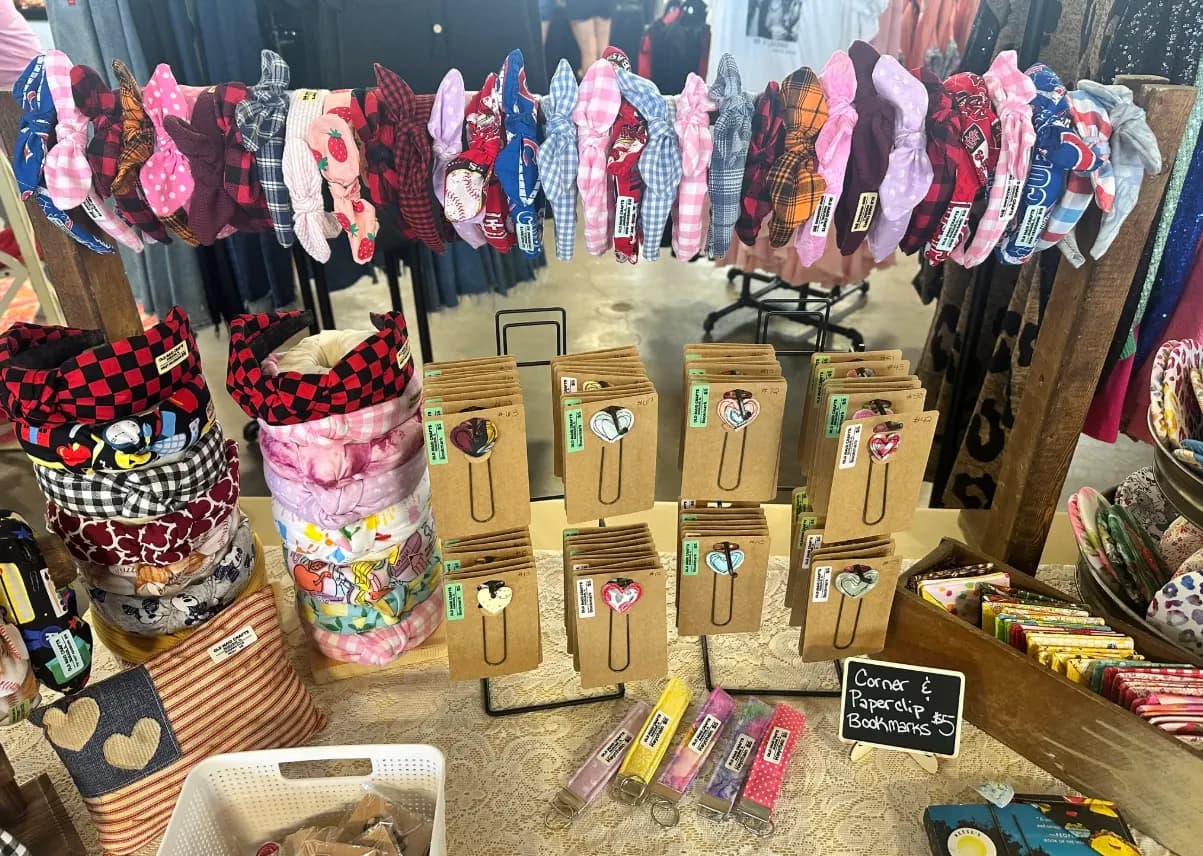
This guide is for deciding which vendors get into your show: what to take, what to ask, how to choose, and what to tell everyone afterwards. It quotes the rules real shows publish for their own vendors, from big juried craft shows to town and library fairs. Where something comes only from experience, it says common practice. Every choice here is yours to set for your own show.
In short: decide what your show takes before you open, ask for good photos, set a closing date, choose by quality and fit, check vendors you don't know, and answer every vendor.
1. Decide what your show takes
Write it on the application, in a sentence or two, before anyone applies:
- Handmade, and what that means. The Rehoboth Art League in Delaware: "All displayed works must be original and created by the exhibiting artist … and made by hand using appropriate tools." Nearly every handmade show also rules out buying goods to resell, imports, kits, items from commercial molds or patterns, and decorated blanks like store-bought T-shirts (the Main Street Festival in Franklin, Tennessee; the American Craft Council).
- Resale, if you allow some. Mixed shows set a share: at least 70% handmade at the Apex Park and Recreation District in Colorado, 80 to 90% in Angleton, Texas. Others say it plainly: "This is not a flea market and we do not allow items that are just being resold" (North Palm Beach, Florida).
- Direct sales (companies like Scentsy or Pampered Chef): one seller per company is the most common rule (Harrison, Michigan; Ohio State University Extension in Defiance County). Some cap them at 10% of vendors (Farmington, Minnesota), some charge them more (Harrisonburg, Virginia: $40 against $30 for handmade), and some don't take them at all (the Moravian Historical Society in Pennsylvania).
- Food, and whether home bakers need a cottage food permit in your state (step 3).
- AI-made work is new on applications: Mililani, Hawaii, asks vendors to say if any items are "designed with AI."
2. Set categories and limits
- Categories: the kinds of vendors you want, like jewelry, candles, soap, woodwork, art, clothing, decor, kids' things, food and direct sales. Vendors pick one when they apply.
- Limits: most shows say they limit similar vendors without naming a number, like Fairfax, Virginia: "City Staff select a variety of artisans and will limit vendors selling the same items." Jewelry is the category shows limit most often (Cape May, New Jersey; North Palm Beach).
- Big juried shows set no quotas at all ("There is no quota for any category of Craft Art," says the Smithsonian Craft Show) and balance the mix by score.
Example: at a 40-booth show, a limit of 4 jewelry, 3 candles, 3 soap and 4 direct sellers (one per company) keeps any one kind from crowding out the rest.
3. Choose what to ask
On every application (the shows below all ask):
- The vendor's name, business name, email, phone and address.
- What they sell, listed in full. "Vendors are prohibited from selling any items not listed here" (the Moravian Historical Society).
- How it's made, in a few lines. Fairfax: "Include a description of how your item is made."
- Photos (step 4).
- Booth size, power and tables they need.
- Their signature on your rules, refund policy and hold-harmless.
Where your state or show needs it:
- A seller's permit or sales tax number. Washington makes promoters check that vendors "have a valid tax registration number," with a $100 penalty for each unregistered vendor, and in Texas the promoter can owe the tax on sales by sellers without a permit. How to host your first vendor show lists the states with duties for organizers.
- A certificate of insurance, often only once you've accepted them (Third Place Commons, Washington).
- Food permits: proof of a cottage food permit for home bakers (Mount Pleasant, North Carolina), and for food trucks, the full length including the hitch, and their fire and health inspections (Bath, West Virginia).
Optional, but useful: their website or social media, a price range (Orangevale, California, asks for a price list), whether they're returning and last year's booth (Alton, New Hampshire), booth requests, and any accessibility need (Where to put each vendor, step 8).
On My Vendor Show: the application form has our built-in questions, each with a switch, plus any of your own. Insurance, the seller's permit number and the price range are off until you turn them on, and in the states that expect hosts to check seller's permits, the form suggests asking.
Sign up free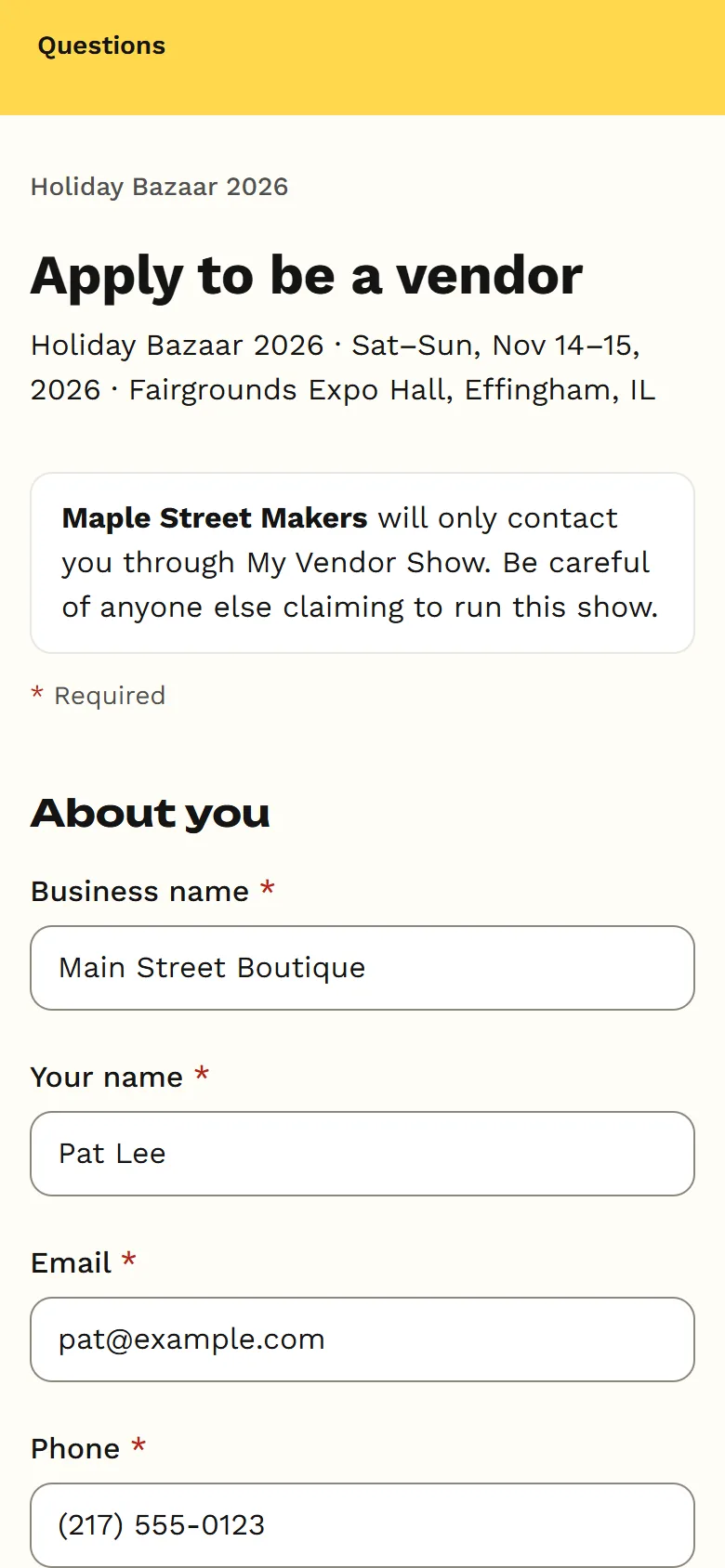
From real vendor shows
4. Ask for good photos
Photos are how you judge work you haven't seen, so ask for enough:
- 3 to 5 photos of their products. The American Craft Council and the Smithsonian ask for 5, the Rehoboth Art League for 4, and Madison, Wisconsin's parks for 3: "NO PHOTOS, NO ENTRY."
- At least one photo of their booth, set up. Most juried shows ask for one (the American Craft Council; the Smithsonian; Fairfax). The Moravian Historical Society asks for "three photos of your display at a previous show." Asking for 3 to 5 shows the booth from more than one side (common practice).
- Different items, not the same one from different angles (the League of New Hampshire Craftsmen).
- Recent work, the same work they'll bring: "Photos must showcase work created within the past two (2) years" (Rehoboth).
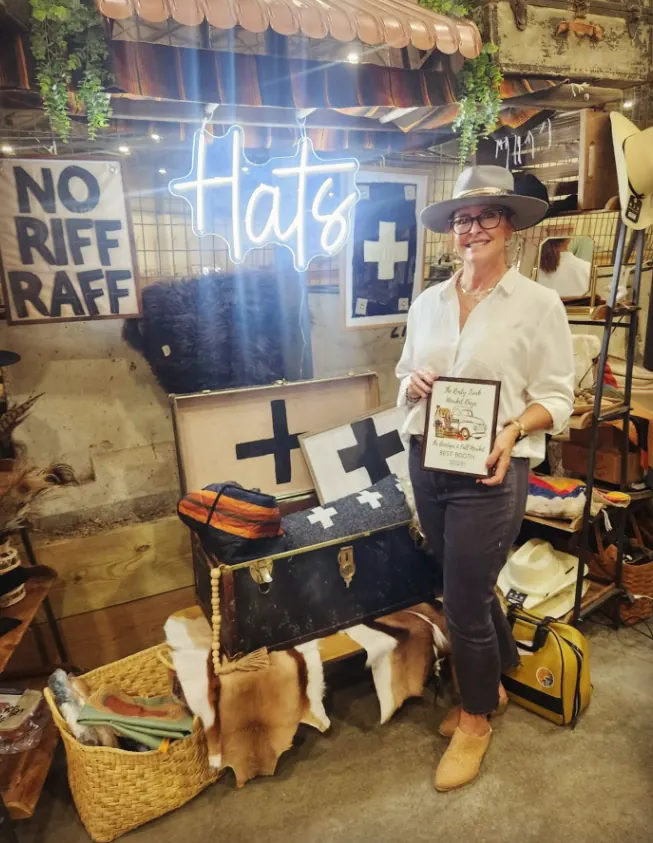
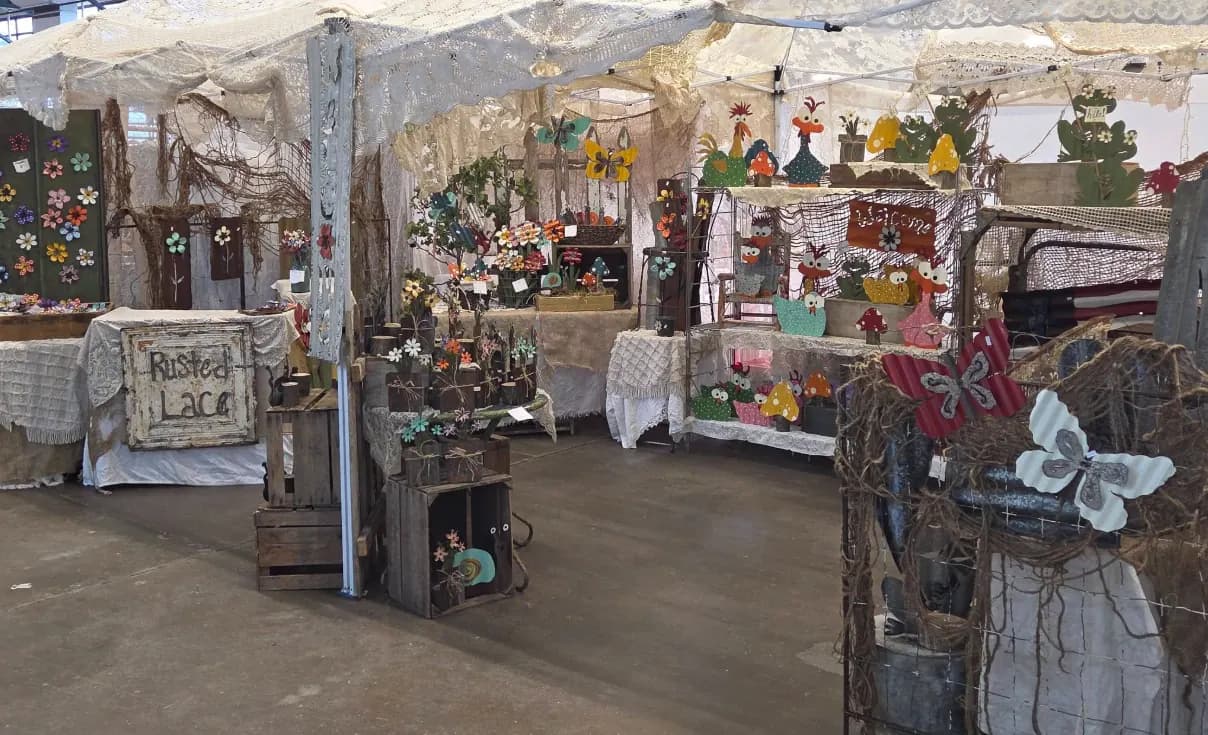
What makes a good booth photo (the Des Moines Arts Festival; Arts Council Oklahoma City): the whole booth, taken straight on, with no people in it, showing the same work as the product photos, and not edited or made by AI. A vendor new to shows can set up a mock booth in their yard or driveway and photograph that (Warwick Applefest, New York).
5. Set a closing date
- Close, then decide all at once. "Vendors are not selected until all applications are received (by the deadline)" (Mililani). Everyone who applies on time has the same chance, and you can balance the whole mix. Many hosts decide and place vendors at the same sitting (Where to put each vendor).
- Decide within 1 to 2½ weeks. Real 2026 shows answered 7 to 17 days after closing: Chester County Library in Pennsylvania in 7, Third Place Commons in 11, the Rehoboth Art League in 16.
- For a holiday show, open in summer and close in August or September. Broomfield, Colorado, opened its holiday market on July 14.
- The other ways: first come, first served (common at library and church fairs), reviewing as applications arrive (Harrisonburg; Warwick), or a lottery, which is fairest when you don't judge quality (Broomfield; Albuquerque). NC State University's crafts fair draws by medium, one from each kind in turn.
- Take money only after a yes. "No payments will be requested or accepted until AFTER the jury selection" (Orangevale). Most shows want the booth fee within 1 to 2 weeks of accepting.
6. Choose by quality and fit
What judges look at. The same few things come up everywhere:
- Craftsmanship: well made, with no flaws.
- Originality: the maker's own design, not a copy or a kit.
- Presentation: the booth and the photos.
- Fit: your mix, your shoppers and a range of prices. Cherry Creek Arts Festival in Denver looks for "a broad range of pricing."
The American Craft Council scores three areas from 1 to 7. Kentucky Crafted gives 75 points to artistic excellence and 25 to marketability, which includes pricing that suits retail. Fairfax's holiday market judges "Originality, handmade, salability, presentation (i.e., packaging, booth photo, etc.), and thorough completion of the application."
Effort in the application counts. A vendor who fills it in completely, with clear photos and a real description, usually runs a booth the same way (common practice). Many shows don't consider incomplete applications at all: "An incomplete application will not be juried" (the Southern Highland Craft Guild).
Score it simply. Juries at big shows have 3 to 5 people who score separately (the Smithsonian has 3, Des Moines 5). For a small show, you and one or two helpers can do the same (common practice).
Example: score each application 1 to 5 for quality, originality, booth and fit, and give a point for a complete application. When two vendors of the same kind want the last spot, take the higher score; if they tie, take the one who adds more to your mix.
7. Check vendors you don't know
- Look them up. Their website and social media, past shows, and reviews show how they work (common practice). Shows count it: Brea, California, weighs "reputation of vendor and/or references," and the Seattle Farmers Market Association "the vendor's performance history."
- Check that handmade is handmade, especially in kinds that are easy to buy in bulk. The Main Street Festival asks for "A photo of the artist's workspace or studio clearly showing tools, materials, and works in progress" for jewelry, candles, bath and body products, tumblers, laser-cut items, stickers and prints, and says it may run reverse image searches.
- Check permits and insurance. A certificate of insurance "is only evidence of coverage in effect at the time of issuance" (Oregon State University). Check the dates cover your show, the vendor's name, and whether you're named as additional insured. A copy of the policy isn't enough: Maine's Common Ground Country Fair accepts only the certificate.
- Say what happens to rule-breakers. "If you are uncooperative before, during or after the boutique you will not be invited back" (Brea). Mililani makes vendors who break its rules "ineligible for future participation."
- The work must match the photos. Shows keep the right to remove anything that differs: "We reserve the right to remove any item determined not to have been handmade by the exhibitor, or any work that differs greatly from the submitted images" (the Art Center, Grand Junction, Colorado).
8. Returning vendors
Whether they get first chance is your call, and shows go both ways:
- An early window, with a hard date. Marmion Academy in Illinois gives returning crafters until July 1 to register; Alton until March 1 to keep last year's space; then it opens to everyone.
- Everyone judged again each year. "Every crafter (including those who have participated in previous years) is required to reapply and be re-juried" (Saline Area Schools, Michigan). The Smithsonian: "No one is grandfathered into the show."
Either way, say plainly that coming back isn't guaranteed, and invite back the vendors you want (common practice).
From real vendor shows
9. Answer every vendor
Email everyone, not only the vendors you accept (Brea; Saline; Mililani). A quick answer, even a no, is what vendors remember.
- Yes: the booth fee, the date it's due and how to pay, your refund policy, and when show-week details will come.
- Waitlist: per category, for this show only. The Seattle Farmers Market Association: "If market conditions change during the year in which you applied, we'll contact your business." Shows usually don't tell vendors their place on the list.
- No: short and kind. Shows rarely give reasons, and many say "the decision of the jury is final" (Warwick Applefest). A personal note of your own goes further (common practice).
- Application fees, if you charge one, are usually kept on a no; booth fees are never taken until a yes.
Example wording:
- Yes: "Congratulations! You're in [show] on [date]. Your booth fee of [amount] is due by [date], and our refund policy is [policy]. We'll send your booth number and show-week details by [date]."
- Waitlist: "Thank you for applying to [show]. [Category] is full this year, so we've put you on our waitlist. If a space opens, we'll email you."
- No: "Thank you for applying to [show]. We had more applications than spaces this year and couldn't fit you in. We'd be glad to see your application next year."
Add a line of your own to each, like what you liked about their work.
On My Vendor Show: you approve, waitlist or decline one vendor or several at once, and see the email before it goes, with a note of your own in it. Your category limits are counted as you approve, with a warning before you go past one, or before a second seller from the same direct-sales company.
Sign up freeMistakes to avoid
- No closing date, so the best vendors apply after you've filled up.
- Saying yes without photos.
- Taking booth fees before you've said yes.
- Rules you don't apply to friends.
- Leaving the noes unanswered.
- Skipping the permit and insurance check where your state or venue expects it.
- Resale creeping in because the application didn't say what you take.
Free printable: application checklist and score sheet
What to ask, then a sheet to score each application the same way. We'll email you the link, to print or save as a PDF.
Where these numbers come from
Numbers marked as common practice come from many shows' published rules and prices, not from one source. The rest come from these pages:
- American Craft Council: American Craft Made Baltimore prospectus (2027)
- Smithsonian Craft Show: call for artists (2026)
- Philadelphia Museum of Art Craft Show: application
- Rehoboth Art League, Delaware: Holiday Fair prospectus (2026)
- Des Moines Arts Festival: artist application
- Arts Council Oklahoma City: advice for applying festival artists (2026)
- Cherry Creek Arts Festival: artist application (2027)
- Heritage Foundation of Williamson County, Tennessee: Main Street Festival arts and crafts rules (2026)
- Kentucky Arts Council: Kentucky Crafted program
- League of New Hampshire Craftsmen: jurors' handbook (2024)
- League of New Hampshire Craftsmen: jury information
- Southern Highland Craft Guild: membership application process
- City of Fairfax, Virginia: Holiday Market application (2026)
- City of Fairfax, Virginia: craft show application (2026)
- City of Santa Barbara: Arts & Crafts Show procedures and regulations
- NC State University Crafts Center: Crafts Fair (lottery by media, 2025)
- Moravian Historical Society, Pennsylvania: craft fair application (2026)
- City of Madison, Wisconsin: HolidayFest application (2026)
- City of Cape May, New Jersey: craft show application (July 2026)
- Warwick Applefest, New York: craft vendors
- Apex Park and Recreation District, Colorado: craft fair vendor guidelines
- City of Angleton, Texas: vendor rules (2026)
- City of Harrison, Michigan: Street Fair rules (2026)
- Ohio State University Extension, Defiance County: craft show letter (2026)
- City of Farmington, Minnesota: craft fair announcement (direct sales capped, 2024)
- City of Harrisonburg, Virginia: Westover Holiday Craft Show application (2026)
- The Art Center, Grand Junction, Colorado: Holiday Art & Craft Fair application (2026)
- Village of North Palm Beach, Florida: Arts & Crafts Fall Festival
- Mililani Town Association, Hawaii: Holiday Craft Fair application (2026)
- Orangevale Recreation & Park District, California: Holiday Craft Fair application (2024)
- City of Brea, California: Spring Craft Boutique (2026)
- Third Place Commons, Washington: Holiday Craft Fairs application (2026)
- Town of Alton, New Hampshire: Old Home Week Craft Fair application (2026)
- Town of Mount Pleasant, North Carolina: Fall Festival craft vendor application (2026)
- Town of Bath, West Virginia: food truck festival vendor sheet (2026)
- Chester County Library, Pennsylvania: holiday craft show (2026)
- Fairbanks Arts Association, Alaska: holiday market (2026)
- City of Broomfield, Colorado: Jingle Bell Market
- City of Albuquerque: Ageless Artisan Craft Fair applications (lottery)
- Saline Area Schools, Michigan: craft show application information
- Marmion Academy, Aurora, Illinois: Christmas Craft Show crafter information
- Seattle Farmers Market Association: vendors (application status wording)
- Washington Department of Revenue: special event promoters' requirements
- Texas Comptroller: fairs, festivals, markets and shows (96-211)
- Oregon State University Risk Management: certificates of insurance
- Maine Organic Farmers and Gardeners Association: Common Ground Country Fair insurance questions
Last checked October 27, 2026. This isn't legal or tax advice; rules differ by state and city.
From real vendor shows
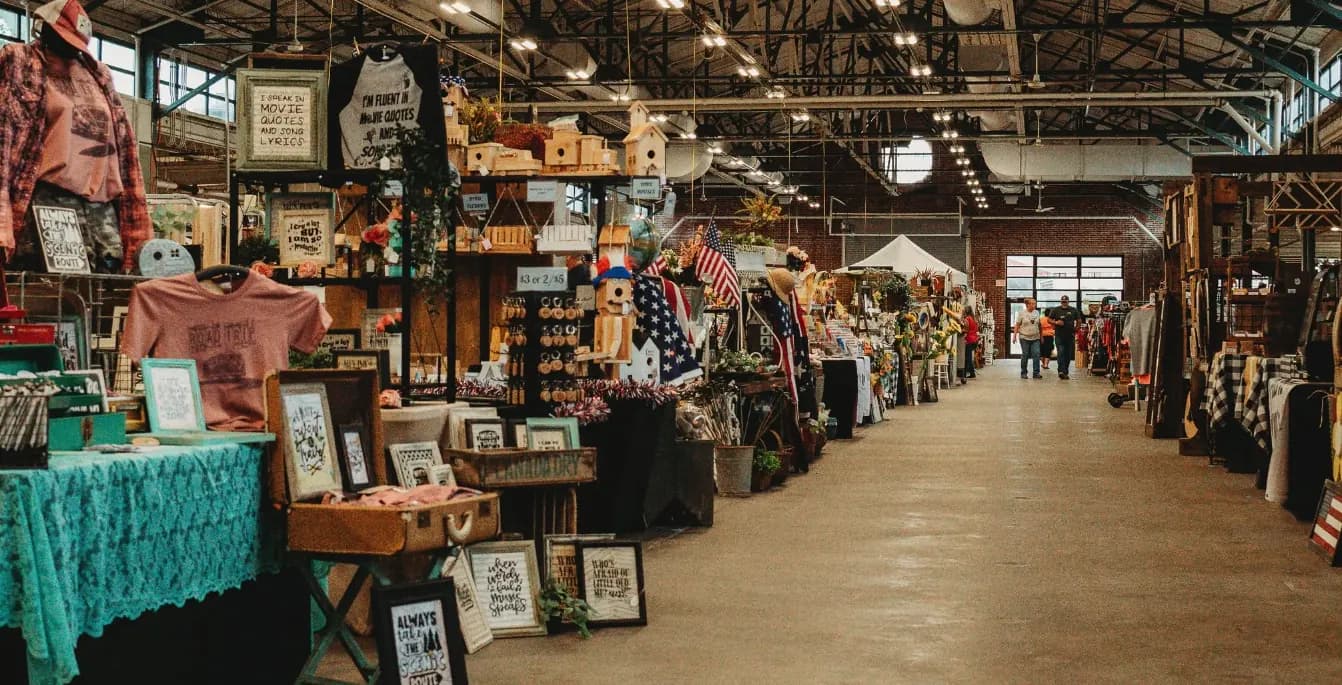
A long aisle of booths 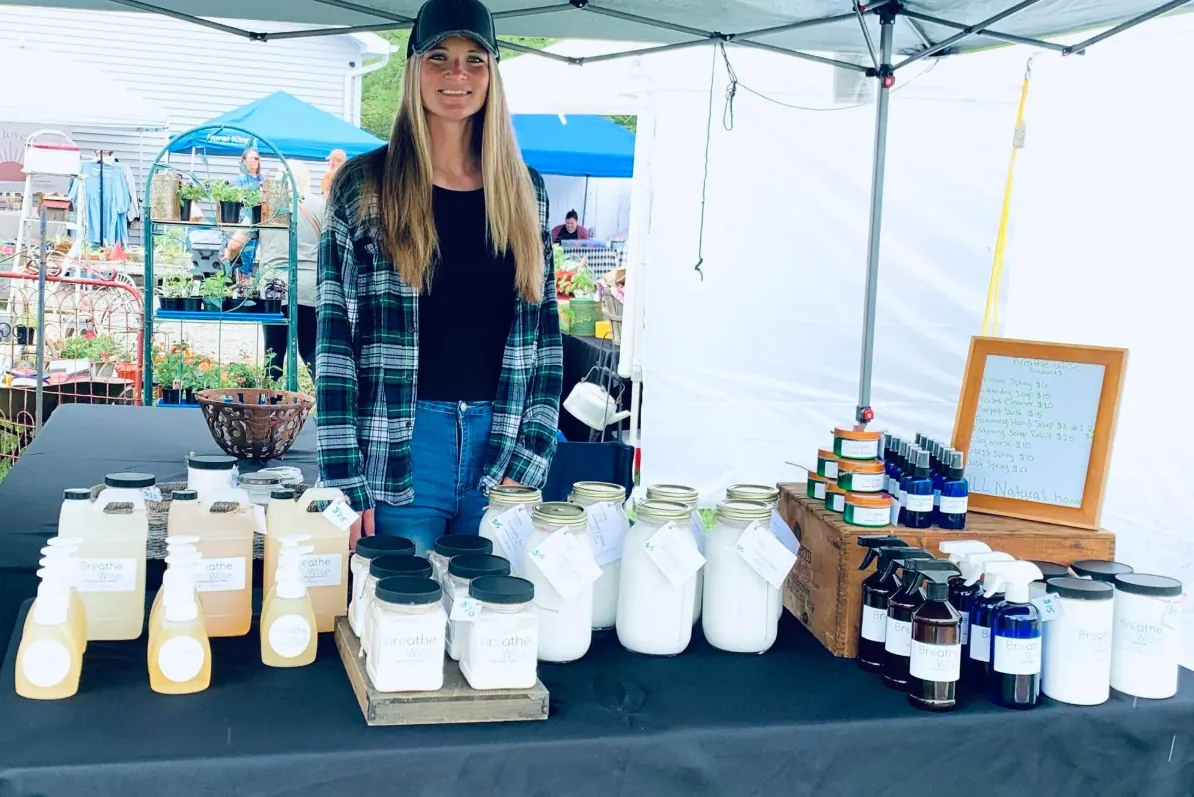
A vendor under her canopy outdoors 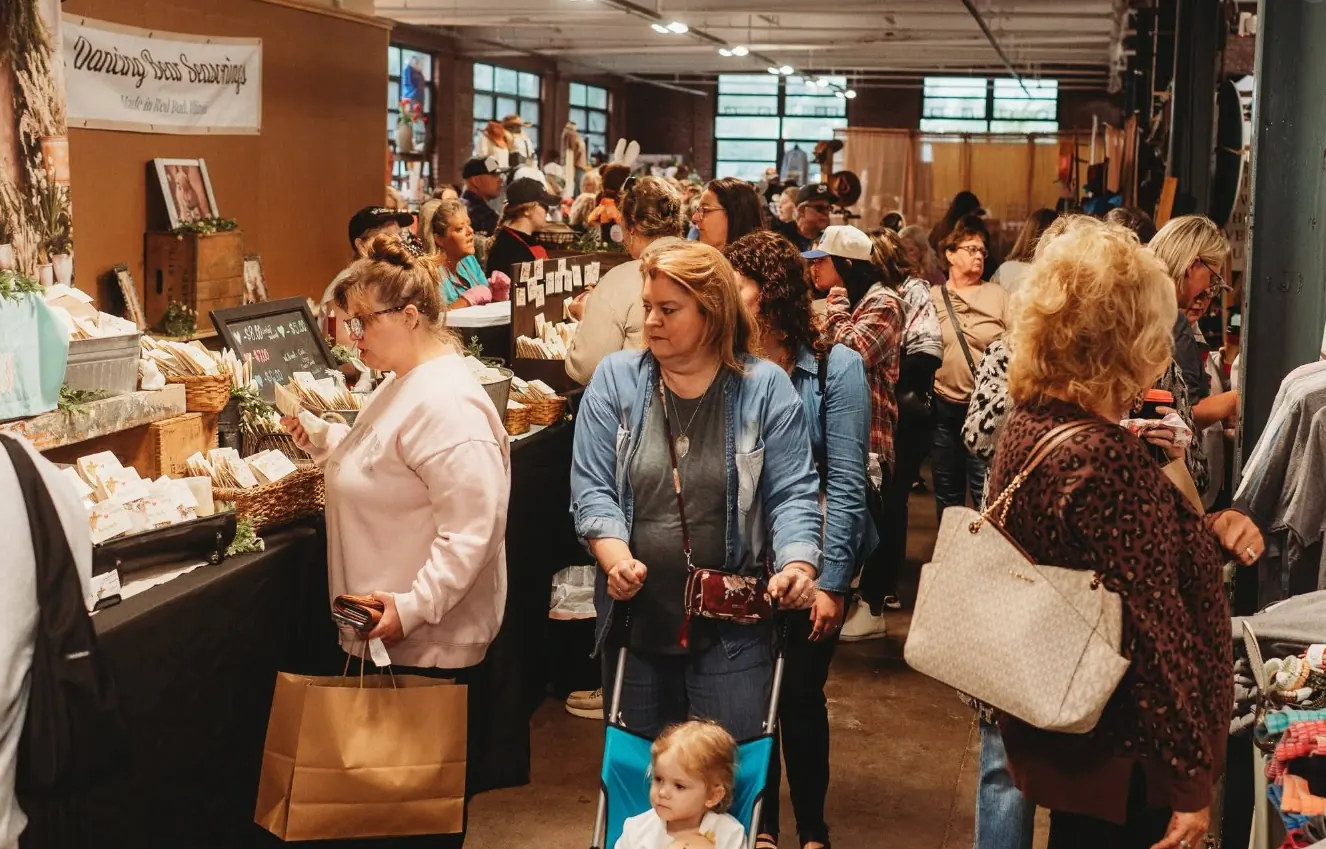
A full aisle on show day 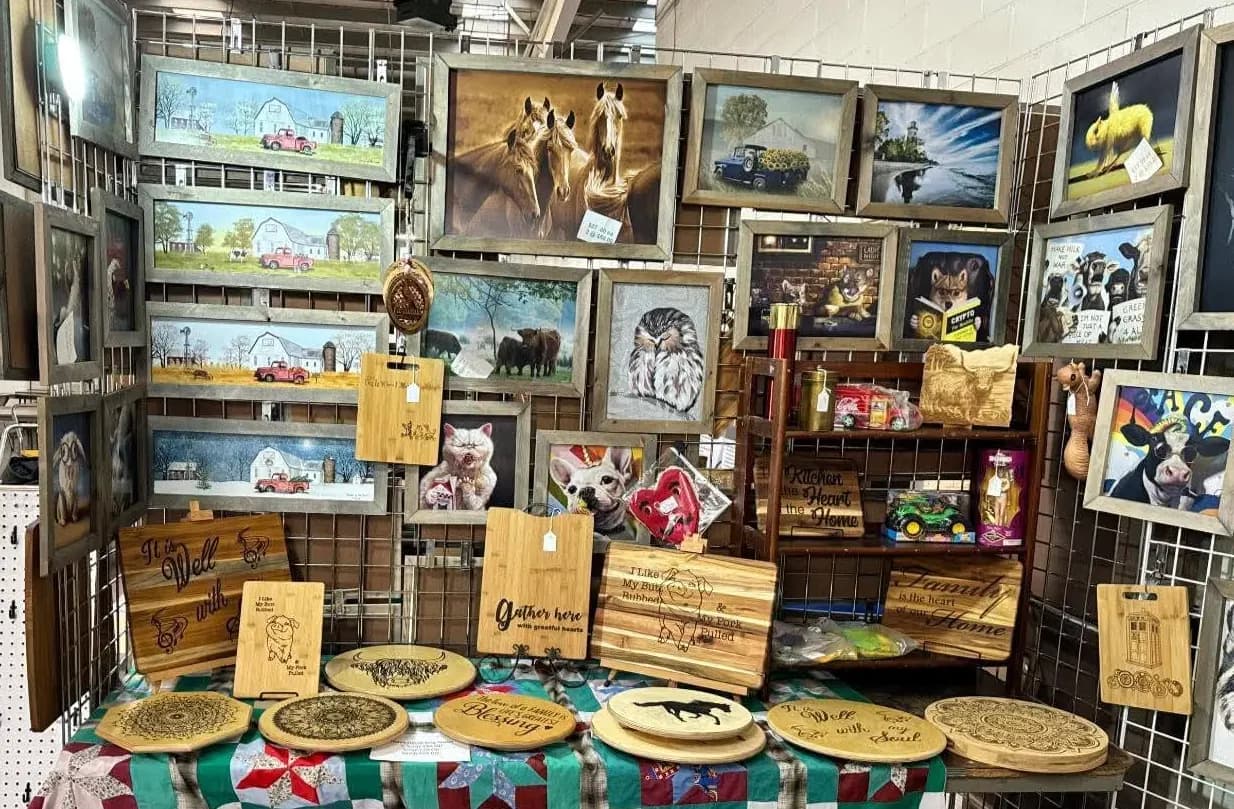
Framed art and cutting boards 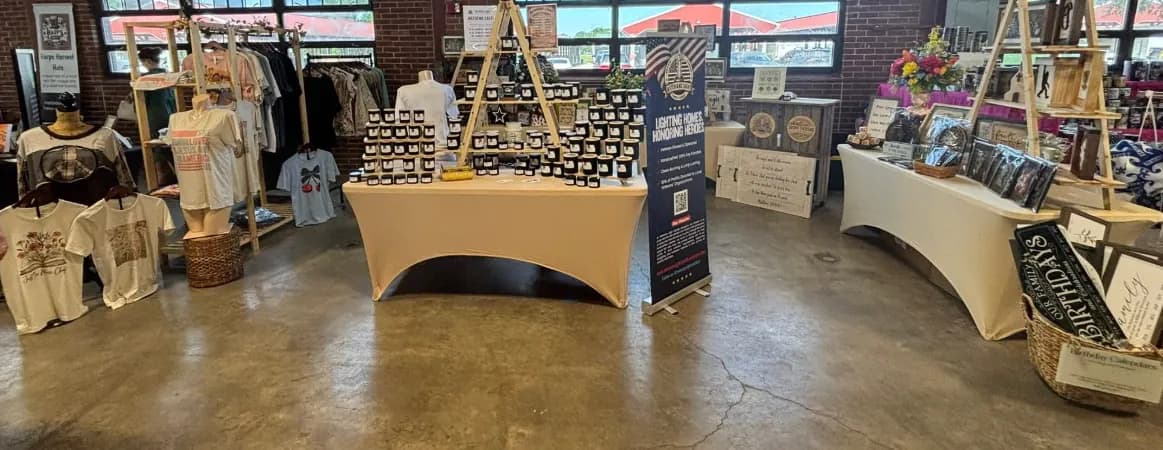
Candles, with shirts behind 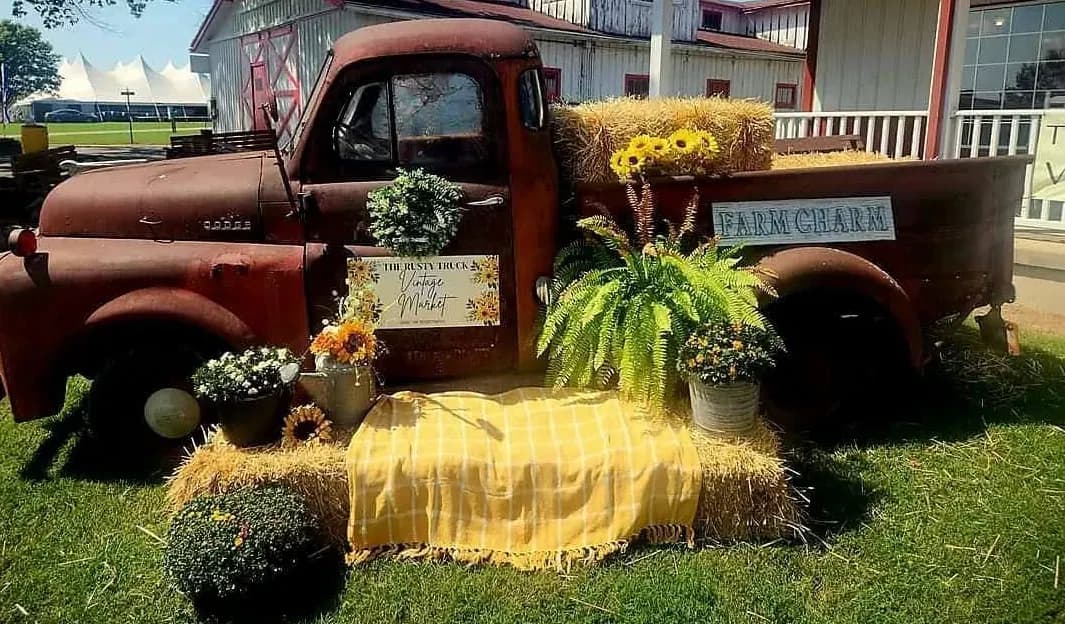
A vintage truck as the display

Ready to host your show?
My Vendor Show takes your vendor applications, collects booth fees by card, and lays out your booth map, with every email to vendors written for you.
Free for hosts. Vendors who pay online pay a small booking fee: 3%, never more than $5 a booth, unless you choose to cover it. Square takes its usual card fee.
Sign up free