How to promote a vendor show
Get shoppers in the door: when to start, the Facebook event, your vendors' followers, free listings, signs and flyers, and seeing what worked.
Last checked October 27, 2026
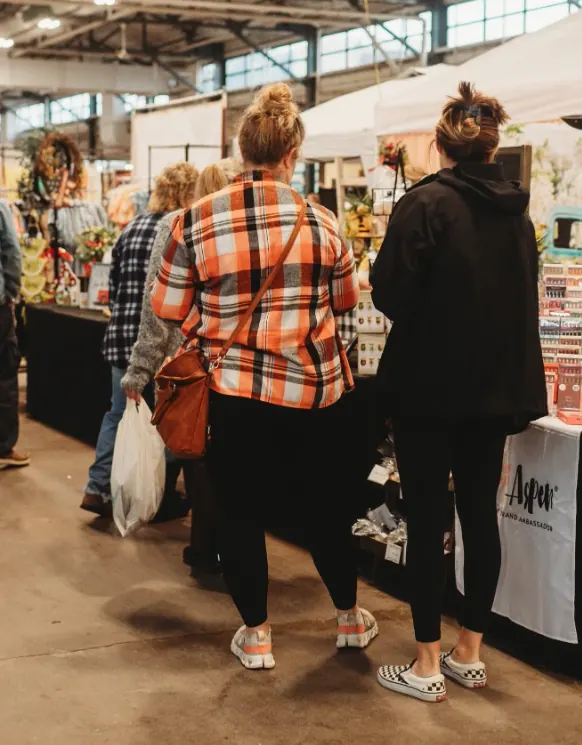
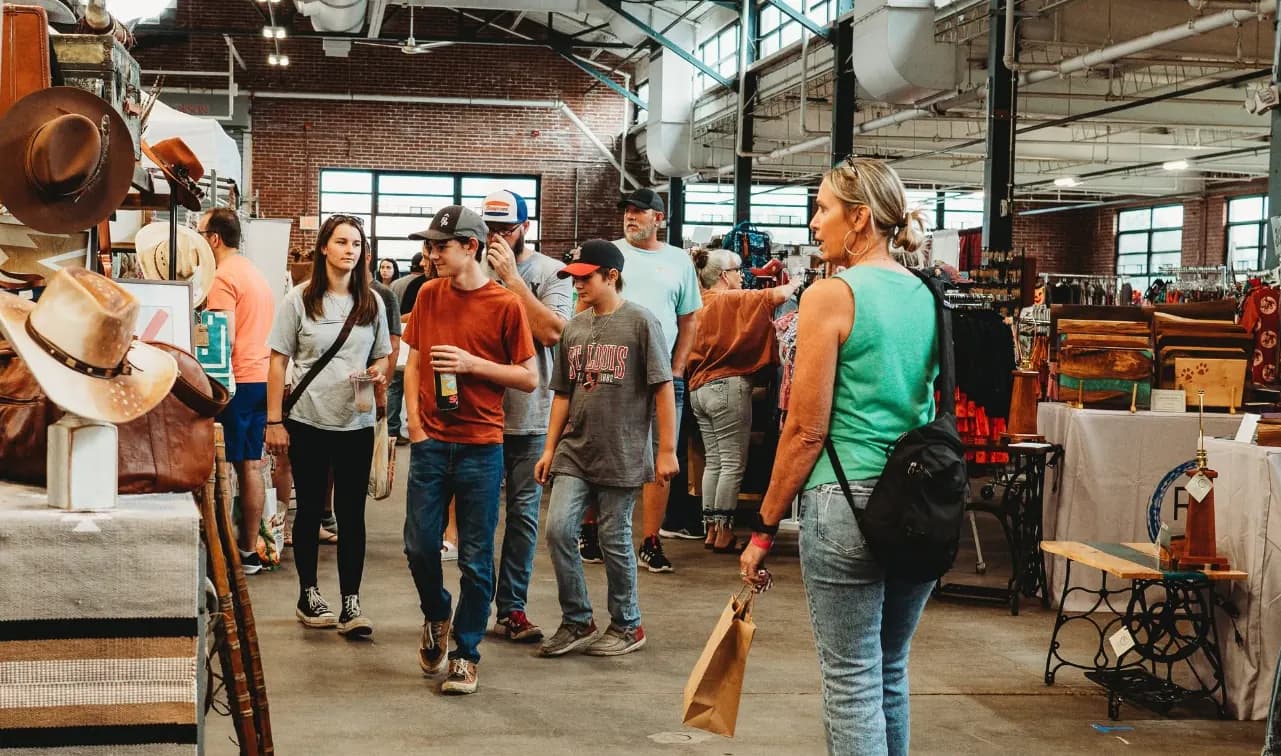
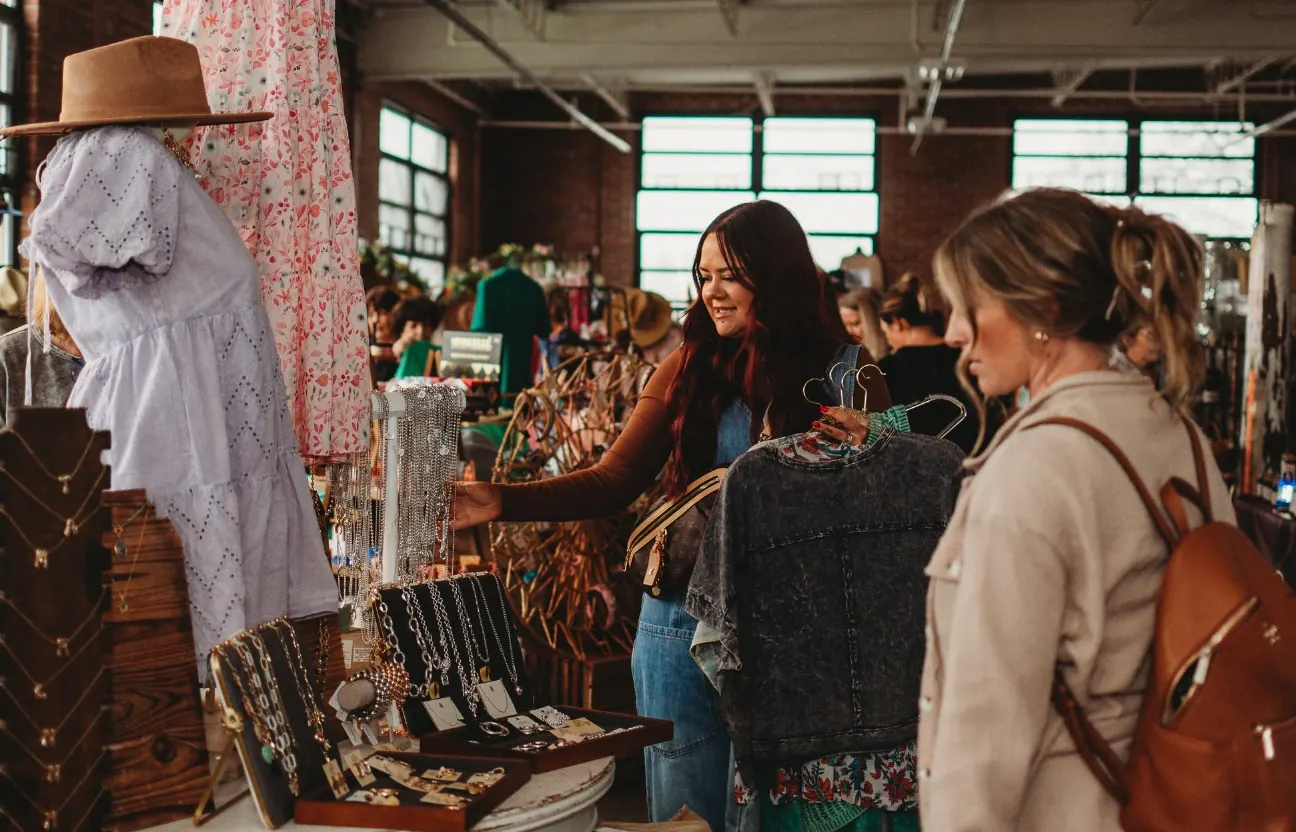
This guide is for getting shoppers in the door: when to start, the Facebook event, your vendors' followers, free listings, signs and flyers, and how to see what worked. It comes from shopper surveys by university extension services and tourism bureaus, from Meta's, Instagram's, Nextdoor's and Google's own help pages, and from cities, libraries and local news outlets, quoted below. Where something comes from experience, it says common practice.
In short: most shoppers come because someone told them, so make your show easy to pass on. Make the Facebook event early, give your vendors something to share, list the show on every free calendar, put up signs the week before, and remind everyone in the last days.
1. Start early, and build up
- Shoppers mostly hear from people they know. Word of mouth comes first in every survey we found:
- 33% at 24 New Hampshire farmers markets, with road signs next at 23% (UNH Cooperative Extension, 2012).
- "By a wide margin, recommendation from friend or family" at 72 Minnesota markets, then signs, social media and the market's website (Minnesota Grown, 2017).
- 44% at Fayetteville, North Carolina's Holly Day Fair, a holiday craft fair, then a billboard at 15% and Facebook at 13%; newspaper, TV, radio and flyers were 3% or less each (2017).
- 57% at the Fairhope Arts and Crafts Festival in Alabama (2016).
- At the Bath Christmas Market in England, 45% came because they'd been before, and social media brought 19% of first-timers (2024).
- So make your show easy to pass on: one post people can share, one link, signs they drive past, and a show worth coming back to.
- Start early. At our own shows, we put the whole year's events on the calendar in January, Facebook events included. Washington State University's timeline: a save-the-date and community calendars 4 to 6 weeks out, posters, a press release and social media 3 to 4 weeks out, and a final reminder in the last week or two. The American Library Association's: weekly papers and community calendars 4 weeks out, daily papers 3 weeks out, and a call to editors the day before. Most hosts start promoting 6 to 8 weeks out (common practice).
2. The Facebook event
Facebook's own help pages, as of October 2026:
- Make it from your show's Page, so anyone can see and share it: "All events hosted by Pages are public."
- Get it right the first time. "Once you've created an event, you can't change the privacy settings," and the date and time "can be changed up to a couple of days before the event."
- Put in everything a shopper asks: the address, the hours, parking, whether there's admission (Meta's rules ask you to disclose "any actions or expenses required to attend"), and photos of your vendors' work.
- Add co-hosts: the venue's Page and any partners. "Only a Page can add another Page as a co-host," and co-hosts can invite people too. Ask them to share it.
- Post in the event every week until the show, and don't mass-invite: "Each person can send up to 500 invites per event," and "Events with large invite lists may be reported as spam."
- If you must call it off, cancel the event rather than deleting it. A cancelled event stays up, and people can still post in it; deleting it removes everything.
- No "share to win." Meta's rules: "Your promotion must not require or incentivize participants to share, repost, tag others."
3. Your vendors are your best advertising
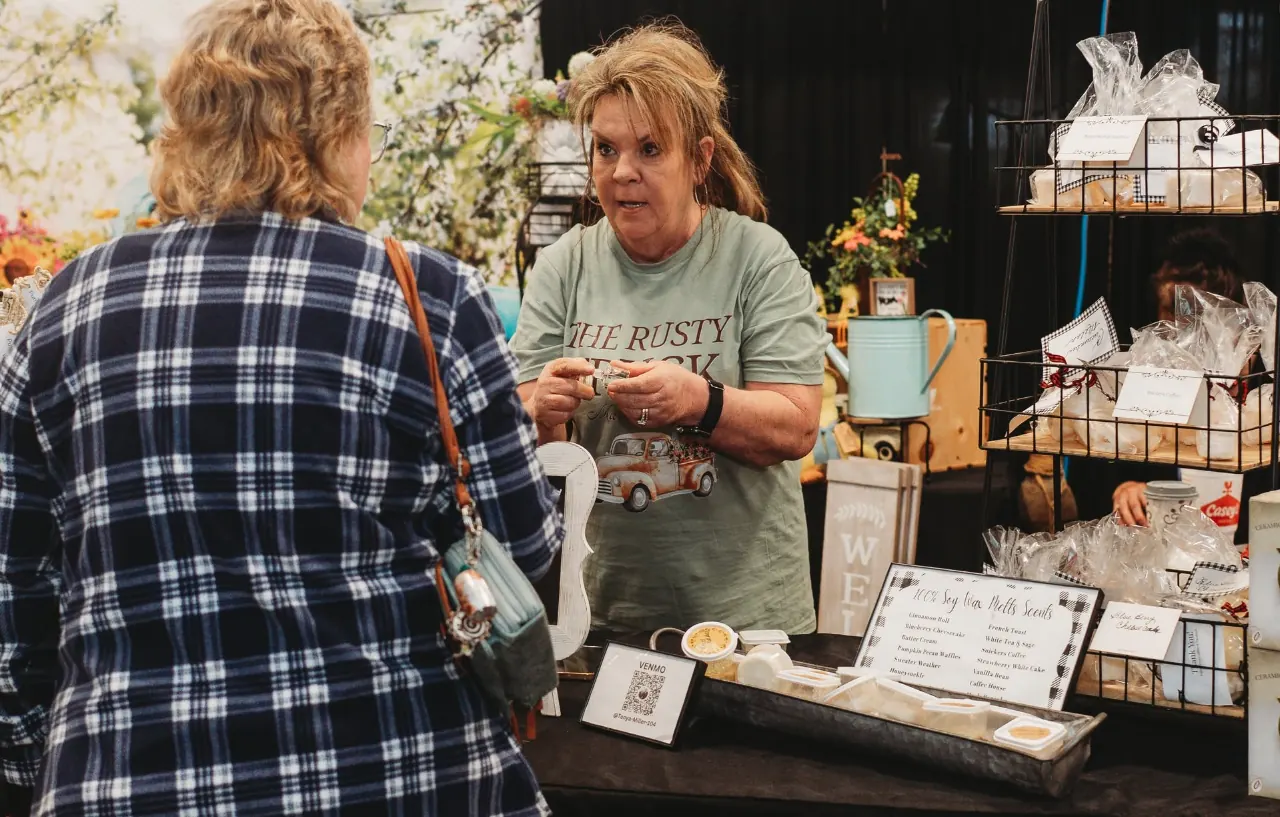
- Every vendor's followers are shoppers you don't have yet. At our own shows, sharing isn't required, but it helps: many vendors have a following of their own.
- Make it easy: give each vendor a picture and a short post with the date and address, and their booth number once you've placed them.
- Feature one vendor at a time in the weeks before the show: a photo of their work, a few words and where to find them.
- On Instagram, make it a Collab post with the vendor: once they accept, it shows on their profile too, to their followers. "You can add up to 5 collaborators to your post." Ask vendors to share your posts to their Stories, which works when your account is public and allows resharing.
On My Vendor Show: the Spotlights tab makes a picture and a caption for each approved vendor who says yes to being featured, with a posting plan that says whose to post today. Download all gives you every picture and caption at once, to post or schedule. And every approved vendor gets a picture and a post of their own on their vendor page, "Find me at" your show, to share with their followers.
Sign up freeFrom real vendor shows
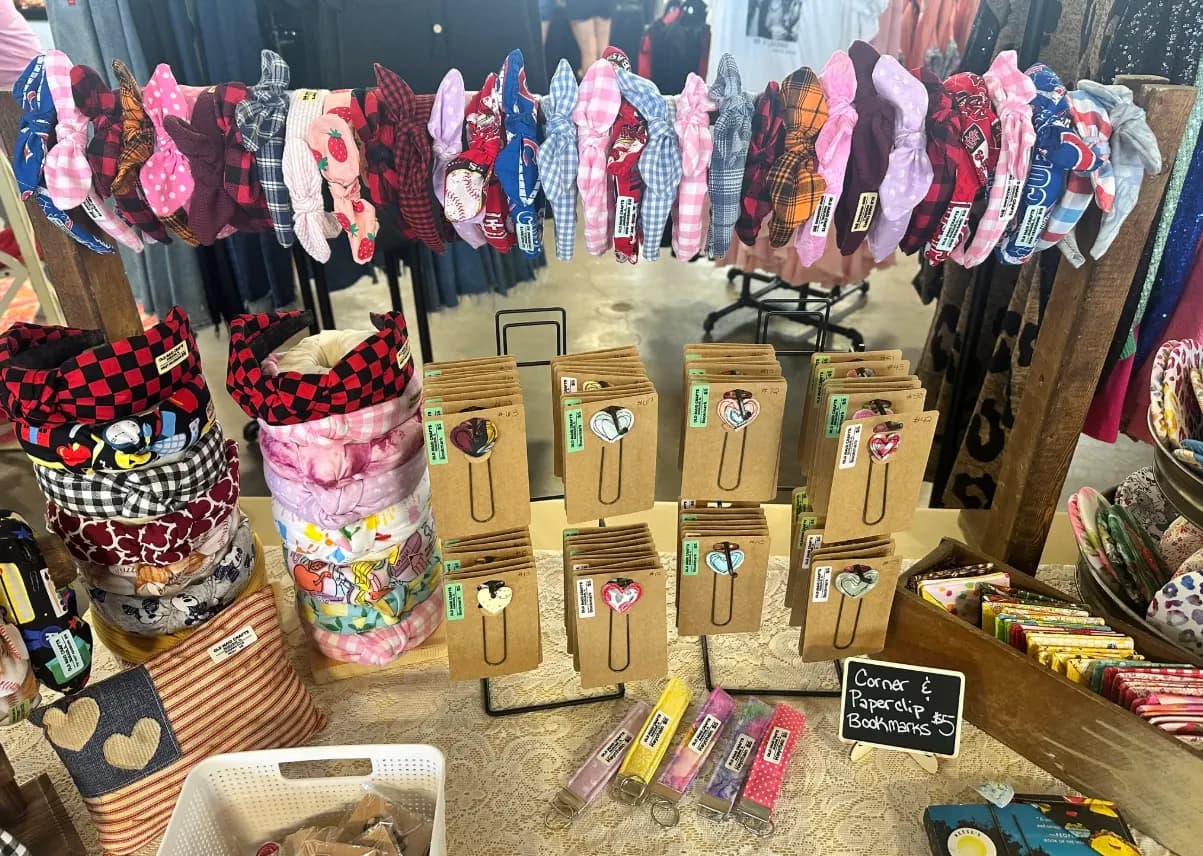
4. Local groups, Nextdoor and paid ads
- Local Facebook groups (community, buy-and-sell, moms' groups) reach shoppers near you, but each has its own rules: admins "might require approval before you can post," and may limit posts a day. Read the rules, ask the admin if you're not sure, and post once per group rather than again and again, which is what Meta's spam rules are about.
- Nextdoor: promotion "must be done from a free Business Page, not a personal neighbor account." Nonprofit and community events may be posted in the main feed "up to once a week," and group admins set their own rules.
- Paid ads are optional. At our own shows, they helped when we were starting out, and aren't needed now. If you try them, Meta suggests starting with at least $5 and running at least seven days. Boost the Facebook event itself, aim it at people within a few miles of the venue, and boost Instagram posts from a computer: in the iPhone app, Apple can add a 30% fee.
5. Free listings and the local news
At our own shows, local news outlets, the chamber of commerce and the town's event calendar all help, and most are free.
- Community calendars at newspapers, radio and TV: the Hawaii Tribune-Herald wants announcements "at least two (2) weeks prior," and says "publication is not guaranteed." KASU radio in Arkansas wants two weeks too, and lists free or charity events on air.
- Tourism, downtown and chamber calendars: Visit Indiana takes events up to 9 months ahead, and Visit Middleton, Wisconsin says three to four weeks before is best. The Bellows Falls Downtown Alliance in Vermont lists "craft fairs, vendor markets, pop-ups," and the Ellsworth, Wisconsin chamber takes "church fairs and bazaars" from anyone. Some chambers list only their members' events.
- If your show raises money for a cause, say so. Free listings often favor free and charity events.
- A press release: one page of 300 to 600 words, with who, what, when and where at the top (Stafford County, Virginia's guide), sent to local media at least 14 days before (University of Illinois Extension). Send it again the day before, and call the reporter (Wisconsin Historical Society).
- Google: a Business Profile can post an event that shows on Search and Maps, but a show in a rented hall usually can't have one of its own: a business "must make in-person contact with customers during its stated hours." Ask your venue to post your show on its profile.
6. Signs and flyers
- Signs work. They came second after word of mouth at the New Hampshire markets, and in the top four in Minnesota. At our own shows, we put signs all over town in the week before the show.
- Know your city's rules. Almost everywhere, signs can't go in the public right of way, which "usually includes the sidewalk and utility meters and utility poles" (Prattville, Alabama), or on utility poles. How early they can go up varies: Phoenix allows event signs "no more than two (2) days prior" and wants them down a day after, with a permit; Poulsbo, Washington allows event banners 14 days before, and small off-site signs; Seattle's pole banners take an application 6 weeks ahead. Ask your city, and take every sign down right after the show.
- Flyers: libraries, coffee shops, grocery stores, churches and schools. Library boards usually need staff approval, and many take only non-commercial events: the Danvers, Massachusetts library posts flyers up to letter size for three weeks, and Reading, Pennsylvania's won't post "Commercial advertising." A school, church or charity show has the best chance.
7. Admission and the first shoppers in line
- Free or paid is your call. At our own shows, some events charge admission and some don't. Christmas Made in the South in Jacksonville charges adults $10 (children 12 and under free), the holiday market at the New York State Fairgrounds $8, and Madison, Wisconsin's HolidayFest $1. Round Rock, Texas's holiday bazaar is free, but asks shoppers to bring canned food for a children's hospital, which gives local news a reason to mention it.
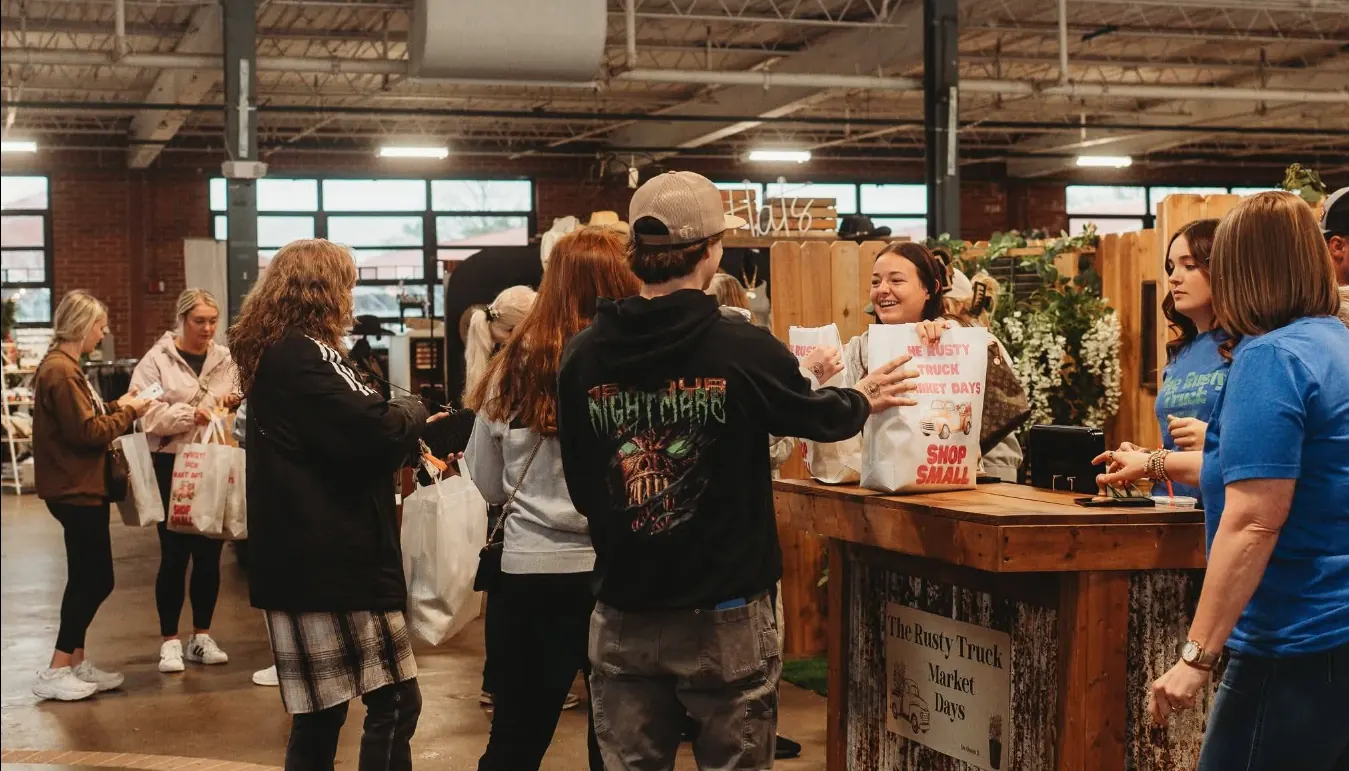
- Swag bags for the first shoppers give people a reason to come early and tell friends. At our own shows, the first 20 shoppers get a swag bag. The Bloomington Handmade Market in Indiana gives the first 30 each day a bag of "goodies from the market's sponsors and vendors."
- Vendors and sponsors can fill them. Madison's HolidayFest asks each artist to donate a craft worth at least $15; SUNY Oswego's craft fair has a door prize every half hour from vendors' donations. A drawing that people pay to enter is a raffle, with its own rules: see Insurance, permits and sales tax.
8. Show week
- Signs go up, as your city allows.
- Post every day: a vendor, the map, parking, the weather, what's new this year.
- The day before, remind everyone in the event, and call the reporters you sent the release to.
- On the day, post when the doors open, and a photo of the line if there is one.
- Never promise vendors a crowd or sales. Tell them where you're advertising instead. How to host your first vendor show has what happened when one festival did.
From real vendor shows
9. See what worked
- Ask shoppers how they heard about the show. A poster board with a sticker for each answer is quick and works at the door (Oregon State University Extension's "dot surveys").
- See where your page's visits came from, and keep what worked for next year.
- Shoppers come back: at the Bath Christmas Market, a past visit was the biggest single reason people came. A good show is next year's advertising.
On My Vendor Show: each show's Stats tab counts visits to its page and its application form by where they came from: Facebook, Instagram, Google, an email, the show's QR code or a vendor's spotlight post.
Sign up freeMistakes to avoid
- Starting the week before. Calendars and the news need two to four weeks.
- Posting the same thing in a group again and again, or mass-inviting.
- "Share to win" giveaways, against Meta's rules.
- Signs on utility poles or in the right of way.
- Changing the date after you've started promoting.
- Promising vendors a crowd.
Free printable: promotion calendar
Tick each one off as you go. Times count back from the day of the show; calendars and the news need two to four weeks. We'll email you the link, to print or save as a PDF.
Where these numbers come from
Numbers marked as common practice come from many shows' published rules and prices, not from one source. The rest come from these pages:
- UNH Cooperative Extension: farmers market consumers in Rockingham and Strafford Counties (2013)
- Minnesota Grown: farmers market customer satisfaction research (2018)
- Fayetteville Area Convention & Visitors Bureau: Holly Day Fair metrics (2017)
- University of South Alabama: Fairhope Arts and Crafts Festival study (2016)
- Bath & North East Somerset Council: Bath Christmas Market survey (2024)
- American Library Association: media timeline
- Washington State University: promoting an event
- Facebook Help: create an event for a Page
- Facebook Help: event privacy
- Facebook Help: event co-hosts
- Facebook Help: editing an event
- Facebook Help: cancelling or deleting an event
- Facebook Help: event invite limits
- Meta: Pages, Groups and Events policies
- Facebook Help: posting in groups
- Meta Transparency Center: spam
- Meta: how ad pricing works
- Instagram Help: boosting a post
- Instagram Help: collaborative posts
- Instagram Help: sharing a post to your story
- Nextdoor: self-promotion update (2026)
- Google Business Profile Help: posts
- Google Business Profile Help: eligibility
- Hawaii Tribune-Herald: calendar submission
- KASU 91.9 FM: calendar submission guidelines
- Visit Indiana: submit your event
- Visit Middleton, Wisconsin: add an event
- Bellows Falls Downtown Alliance, Vermont: calendar submission guidelines
- Ellsworth Area Chamber of Commerce, Wisconsin: community calendar
- University of Illinois Extension: press releases and media relations
- Stafford County, Virginia Economic Development: how to prepare a press release (2025)
- Wisconsin Historical Society: media advisories
- City of Prattville, Alabama: temporary signs (2022)
- City of Phoenix, Arizona: temporary signage
- City of Poulsbo, Washington: temporary signs (2024)
- Seattle Department of Transportation: event pole banners
- Peabody Institute Library, Danvers, Massachusetts: community board policy (2025)
- Reading Public Library, Pennsylvania: bulletin board policy (2025)
- Visit Jacksonville: Christmas Made in the South (2026)
- New York State Fairgrounds: Christmas Craft & Holiday Market (2026)
- City of Round Rock, Texas: holiday bazaar (2026)
- City of Madison, Wisconsin: HolidayFest (2026)
- Indiana Daily Student: Bloomington Handmade Market (2023)
- SUNY Oswego: holiday craft and vendor fair
- Oregon State University Extension: tools for rapid market assessments
Last checked October 27, 2026. This isn't legal or tax advice; rules differ by state and city.
From real vendor shows
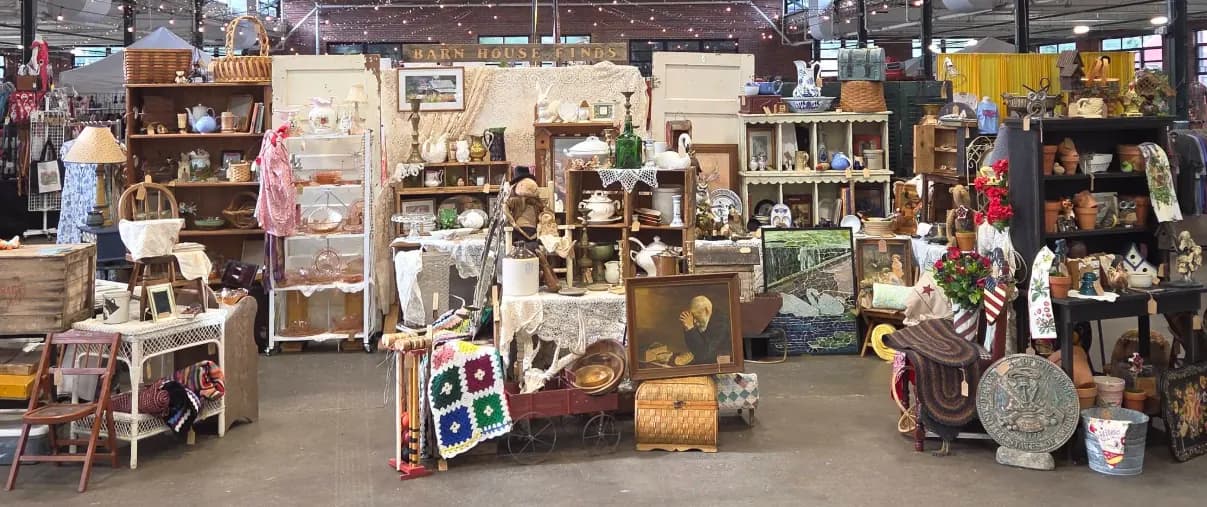
Vintage furniture and decor 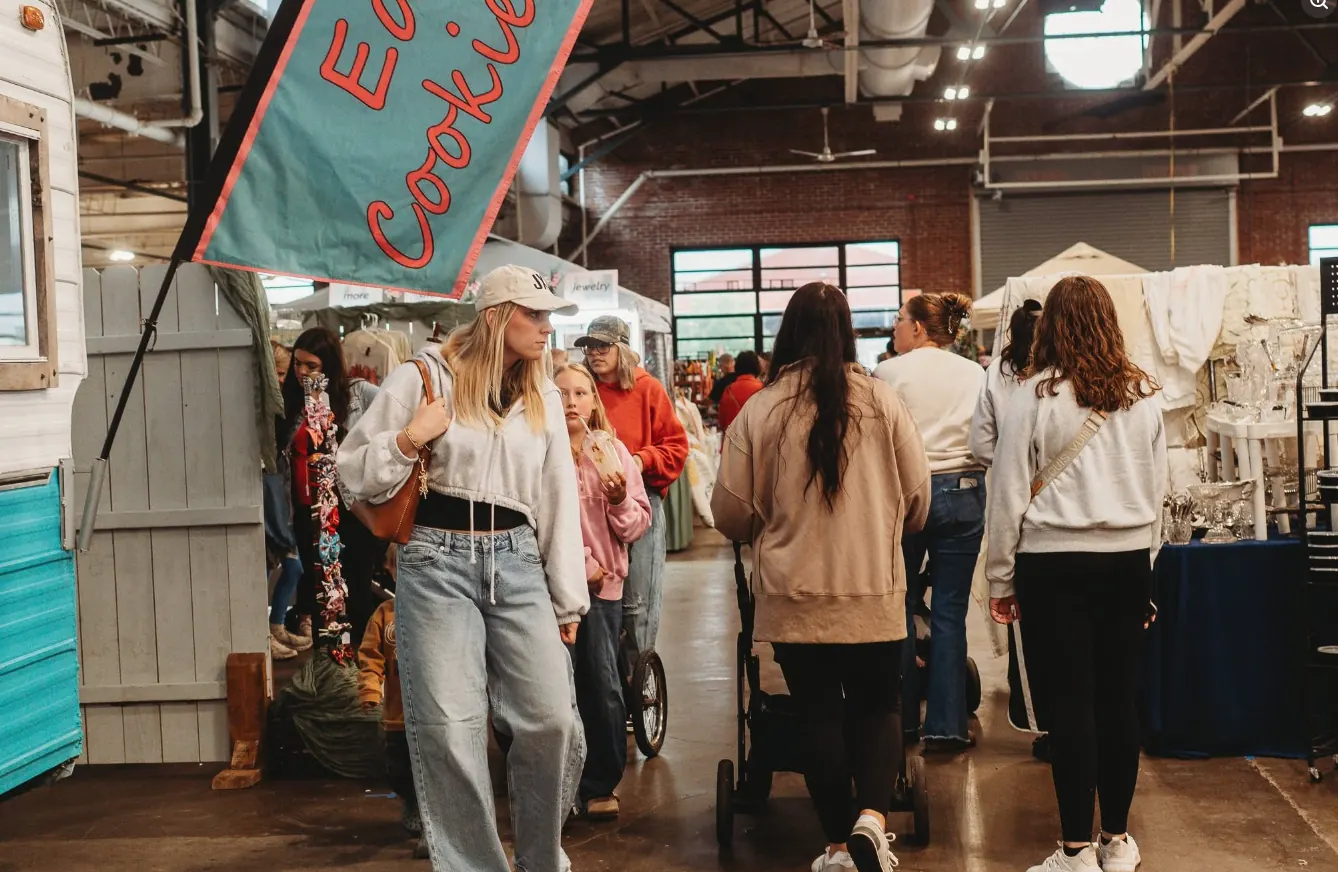
A busy aisle 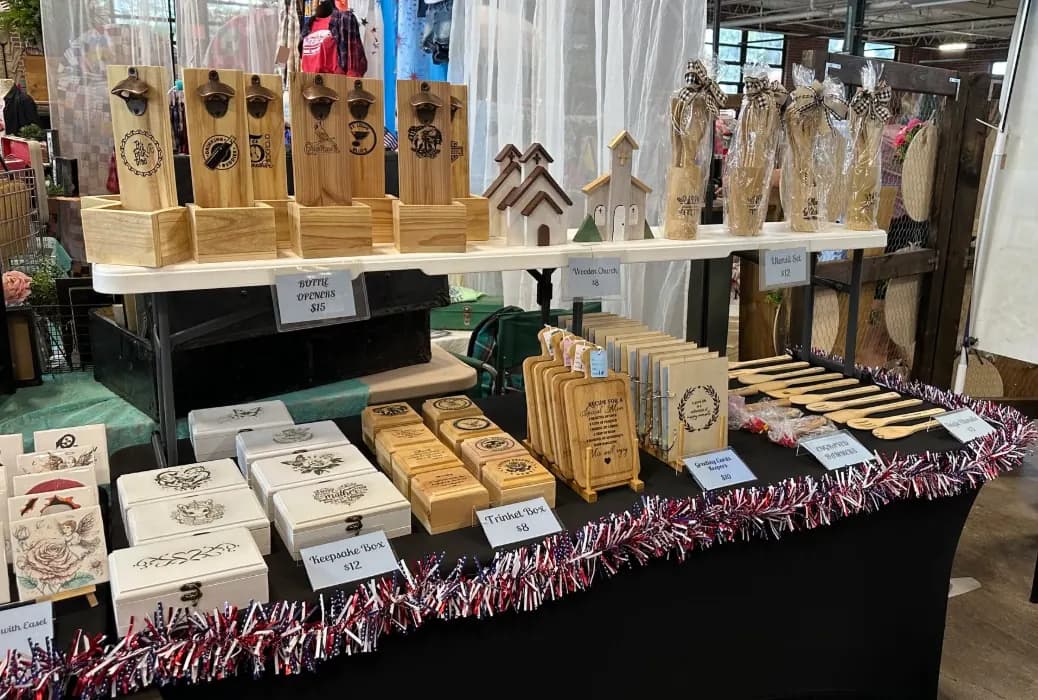
Wooden gifts on a vendor's table 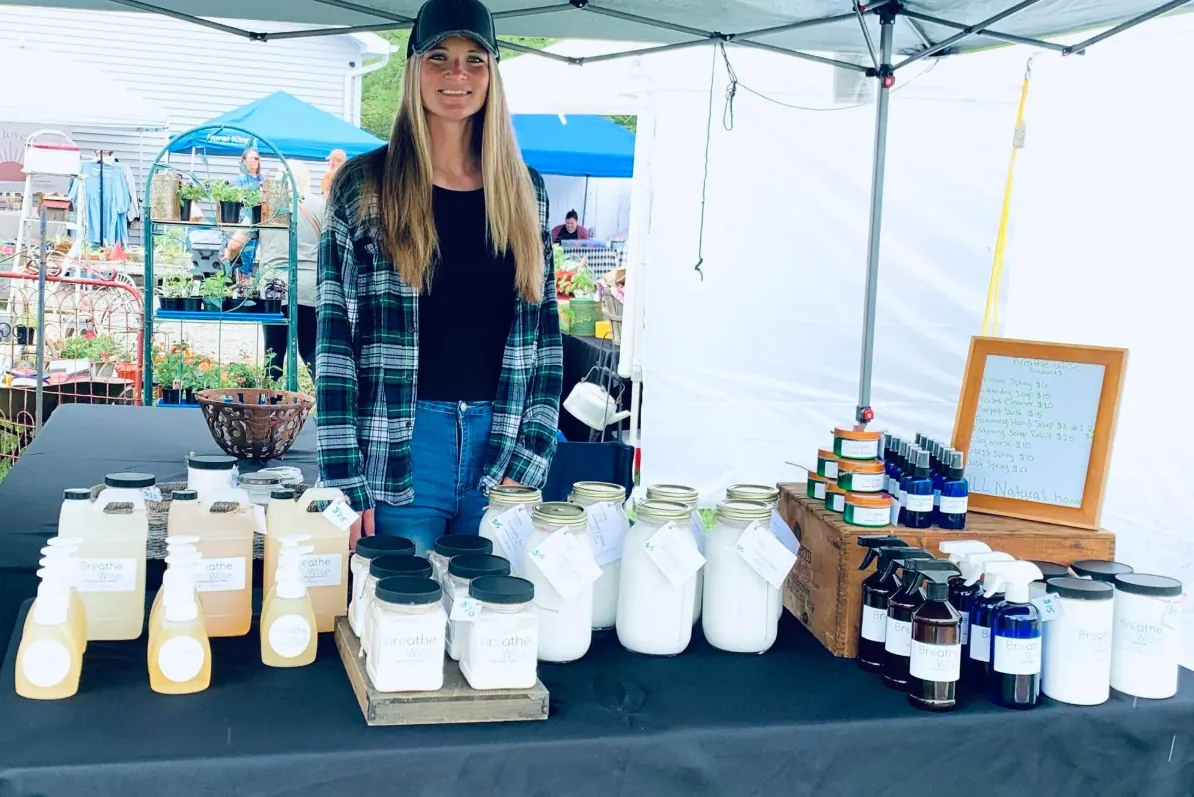
A vendor under her canopy outdoors 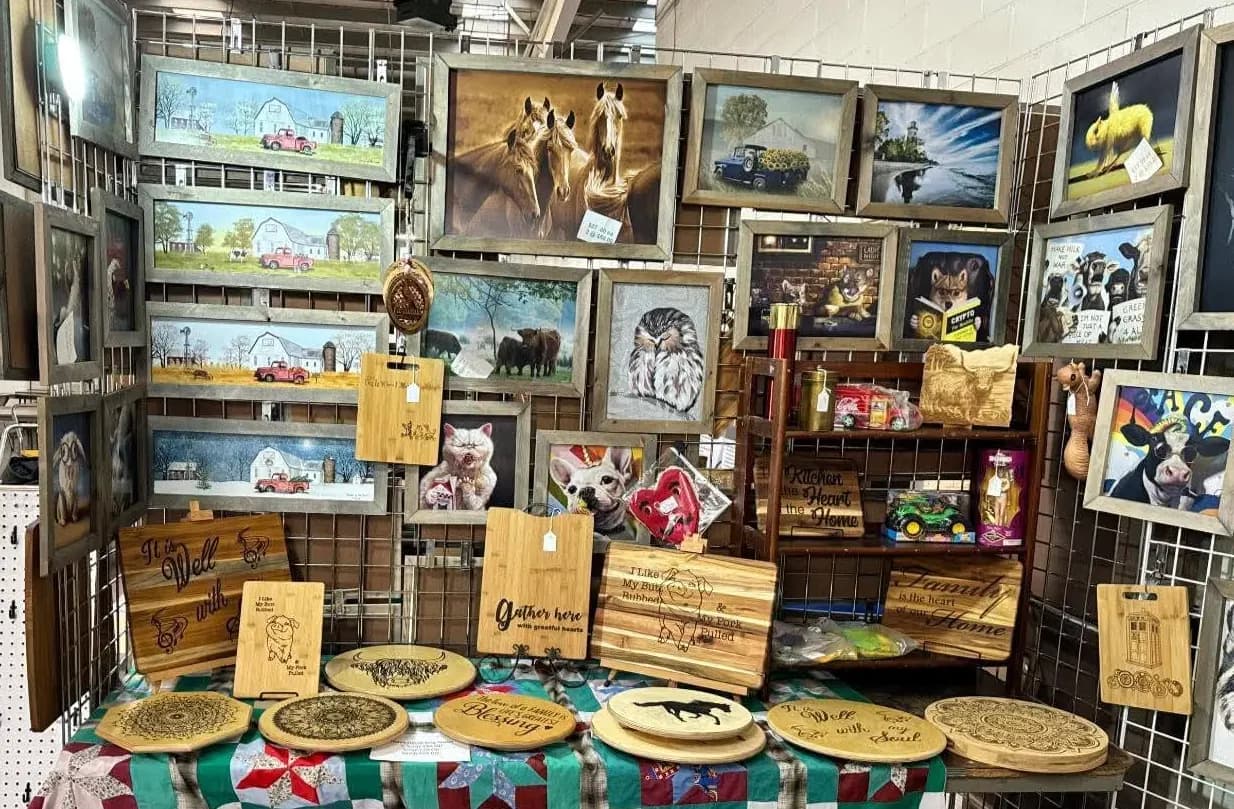
Framed art and cutting boards 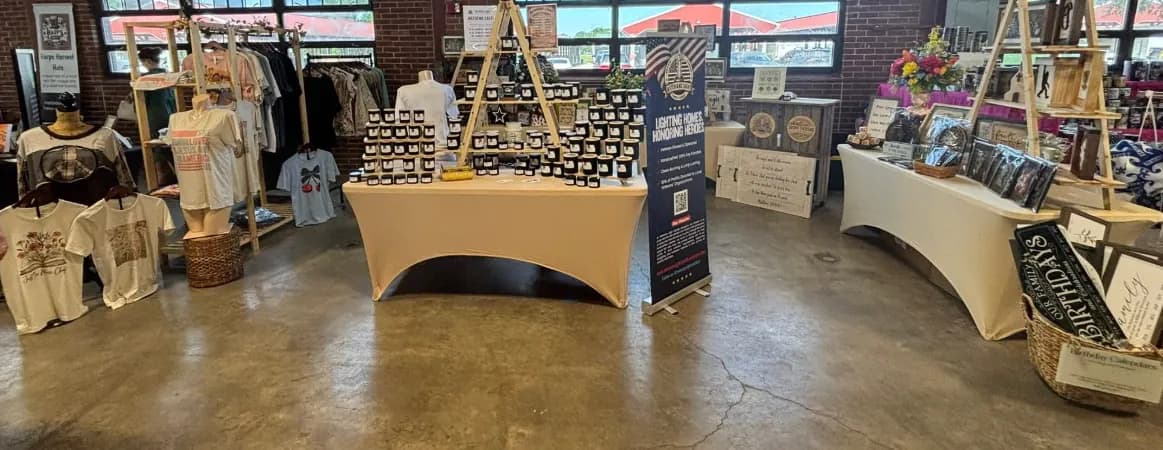
Candles, with shirts behind

Ready to host your show?
My Vendor Show takes your vendor applications, collects booth fees by card, and lays out your booth map, with every email to vendors written for you.
Free for hosts. Vendors who pay online pay a small booking fee: 3%, never more than $5 a booth, unless you choose to cover it. Square takes its usual card fee.
Sign up free